Best Tugboat Fender Options for 2026 Global Buyers?
Navigating the maritime industry requires an understanding of essential equipment. Among these, the Tugboat Fender stands out for its critical role in protecting vessels during operations. As we look toward 2026, global buyers are searching for the best options available.
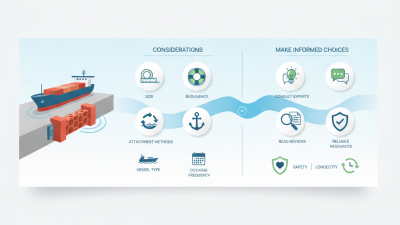
Tugboat Fenders come in various designs and materials, each serving unique needs. Choosing the right fender can significantly improve safety and efficiency. Factors like durability, inflation pressure, and energy absorption must be considered. Reliable fender suppliers can provide valuable insights to guide buyers through this process.
However, many buyers face challenges with the selection. The market is filled with options, making comparisons difficult. Buyers should avoid falling into the trap of superficial evaluations. Conducting thorough research is vital. It helps ensure that the chosen Tugboat Fender aligns with specific operational requirements and industry standards. Reflecting on the importance of these decisions can lead to better operational outcomes in 2026.
Overview of Tugboat Fenders and Their Importance in Maritime Operations
Tugboat fenders play a crucial role in maritime operations. They protect vessels during maneuvers in tight spaces. Their design absorbs the shock of collisions, preventing damage to both tugboats and the ships being assisted. Different materials and sizes cater to diverse operational needs.
When selecting a fender, consider the vessel's weight and the intended docking environment. A heavy-duty fender may suit rough conditions, while softer materials are better for delicate operations. Regular inspection is vital. Check for wear and tear to ensure fenders remain effective.
Tips: Always measure the docking area's constraints. This ensures compatibility with available fender sizes. Consider the pull force generated during maneuvers. Understanding this will guide your choice of fender type. Be open to alternatives; traditional materials may not always offer the best performance in new maritime technologies.
Types of Tugboat Fenders Available in the Market for 2026
When selecting tugboat fenders for 2026, buyers should consider various types available in the market. These fenders are essential for protecting boats during docking and maneuvering. Common options include rubber fenders, foam-filled fenders, and inflatable fenders. Each type has distinct advantages based on durability, buoyancy, and impact resistance.
Rubber fenders are widely used due to their robustness and longevity. They can withstand harsh marine conditions. Foam-filled fenders are lighter and offer excellent buoyancy. They are ideal for areas with high traffic. Inflatable fenders provide flexibility and ease of storage, making them a popular choice for many users.
Tip: Assess the operating environment before purchasing. Consider factors like water conditions and traffic density. Different fenders perform better under specific circumstances. It's crucial to find the right fit for your needs. Also, inspect fenders regularly for signs of wear. This maintenance helps ensure reliable performance over time.
Understanding the differences among these fender types is vital. Each serves distinct purposes in protecting your vessel. Knowing when to use one over the other may save costs and enhance safety in marine operations.
Factors to Consider When Choosing Tugboat Fenders for Global Use
When selecting tugboat fenders, understanding the operational environment is crucial. Different regions pose unique challenges. Factors like water conditions, weather patterns, and port infrastructure should guide your choice. For instance, a fender suited for a calm harbor may not perform well in rough seas. Each context demands analysis for optimal safety.
Additionally, consider the material and design of fenders. Some materials offer superior durability but may be heavier. Weight affects handling during operations. A fender is not merely a cushion; it plays a strategic role. Evaluate your vessel's needs and operational patterns. Perhaps flexibility or resilience should take precedence.
Maintenance is another often overlooked aspect. Regular checks can identify wear and tear. Implementing a maintenance schedule ensures longevity. However, some users may neglect this step, leading to performance issues. Weigh the costs of maintenance against potential damages. Your choice of fender impacts operational efficiency and safety. Make informed decisions based on thorough assessments, and remain adaptable to changing conditions.
Best Tugboat Fender Options for 2026 Global Buyers
This chart illustrates the performance ratings of various tugboat fender materials based on a scale of 1 to 10. Factors such as durability, flexibility, and maintenance are considered in these ratings, helping global buyers make informed decisions for their tugboat operations in 2026.
Top Manufacturers of Tugboat Fenders for 2026 and Their Innovations
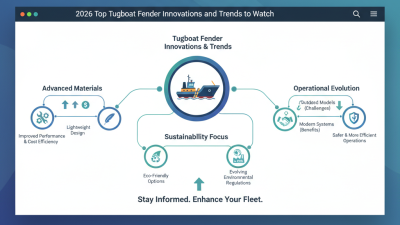
As the tugboat industry evolves, the need for reliable fenders continues to grow. Manufacturers are focusing on enhancing both safety and efficiency in their designs. Recent industry reports indicate a 15% expected growth in the tugboat fender market by 2026, driven by advancements in material technology and innovative designs. The trend towards sustainability is also prominent. More companies are exploring eco-friendly materials that do not compromise performance.
When considering tugboat fenders, look for features like impact absorption and durability. Some designs now include modular components, allowing for easier repairs and maintenance. This adaptability saves costs over time. Innovations like lightweight foam-filled options are gaining traction, offering significant weight reduction while maintaining strength.
Tips for selecting the right fender include assessing the tugboat's operational environment. High-traffic ports may require heavier-duty options. Additionally, consult detailed specifications and performance data to make informed choices. Engaging with industry experts can provide insights into which features matter most in real-world applications.
Future Trends in Tugboat Fender Technology and Design for Buyers
In recent years, tugboat fender technology has evolved significantly, driven by industry demands for safety and efficiency. The global tugboat fender market is projected to grow at a CAGR of 4.5% through 2026. This growth reflects the increasing need for innovative solutions that provide reliable protection during vessel maneuvering.
Materials used for fenders are changing. Traditional rubber fenders face competition from advanced polymer composites. These materials offer enhanced durability and flexibility. Recent studies indicate that fenders made from these composites reduce wear and tear by up to 30%. This advancement could lead to longer lifespans and reduced maintenance costs.
Another emerging trend is the focus on environmental sustainability. Eco-friendly fender designs are becoming more common. They are made from recycled materials and have a lower carbon footprint. A report from an industry expert noted that about 20% of buyers now prioritize environmental impact when selecting fenders. Despite these advancements, some challenges remain. Manufacturers must address the balance between cost and performance. Buyers also struggle with the myriad options available in the market.
Best Tugboat Fender Options for 2026 Global Buyers?
| Fender Type |
Material |
Size Range (Diameter) |
Weight (kg) |
Average Cost (USD) |
Expected Durability (years) |
| Arch Rubber Fender |
Rubber |
400 - 800 mm |
100 - 250 |
300 - 500 |
10 - 15 |
| D-Shape Fender |
Polyurethane |
300 - 600 mm |
80 - 200 |
200 - 400 |
7 - 12 |
| Cell Fender |
Foam-filled Rubber |
500 - 1000 mm |
150 - 400 |
400 - 700 |
15 - 20 |
| Fender with Chain |
Rubber with Chain |
600 - 1200 mm |
200 - 500 |
500 - 900 |
8 - 14 |
| Cone Fender |
Rubber |
300 - 800 mm |
90 - 250 |
350 - 600 |
10 - 18 |