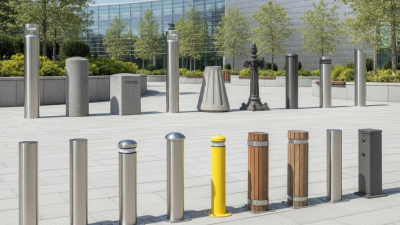
Why Choose Locking Bollards for Your Security Needs?
Locking Bollards have become a crucial element in enhancing security for various properties. These robust structures serve as physical barriers that prevent unauthorized access and protect valuable assets. Many businesses are opting for locking bollards due to their versatility and effectiveness in managing traffic and pedestrian safety.
Choosing the right security measures is essential. Locking bollards blend form and function, offering a strong visual deterrent against potential threats. Their design can vary, giving property owners options that suit their aesthetic preferences while still emphasizing safety. However, a simple installation is not enough; understanding the specific security needs of a location is vital.
While locking bollards provide significant security benefits, challenges exist. Factors such as weather resilience and maintenance requirements must be considered. Not all bollards are created equal, and making an informed decision involves evaluating different materials and locking mechanisms. The choice of locking bollards is not just about protection; it requires thoughtful consideration of their role in an overall security strategy.
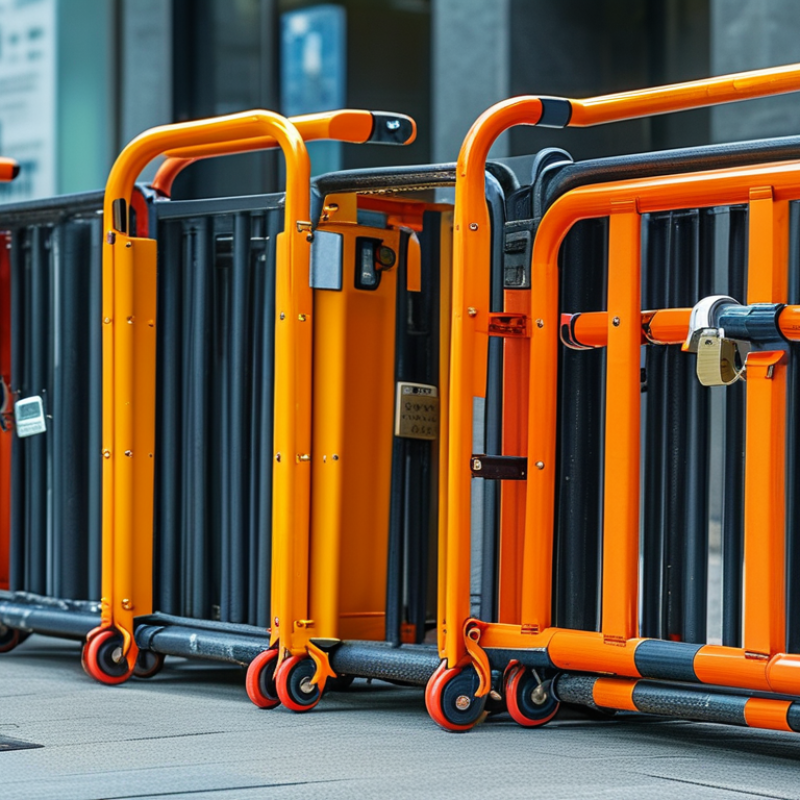
Benefits of Locking Bollards for Enhanced Security in Urban Areas
Locking bollards have become an essential feature for urban security. They provide a robust solution to prevent unauthorized access in crowded areas. By effectively controlling vehicle movement, they help protect pedestrians and enhance public safety. Their sturdy construction offers resilience against ramming and collisions, making them a reliable choice for high-traffic zones.
In addition to physical security, locking bollards offer versatility. They can be adjusted to fit different needs — raised or lowered based on the situation. This adaptability makes them suitable for many environments, from busy shopping districts to quiet residential areas. While they deter potential threats, there are considerations in their usage. Maintenance is key; improperly functioning bollards can compromise safety.
Aesthetic appeal is an overlooked aspect of locking bollards. They can be designed to blend with urban architecture or stand out as art pieces. However, uniformity can detract from their impact. Communities should ensure that the design matches the character of the area. Inadequate installation can also pose challenges, leading to confusion about accessibility. Thoughtful planning is necessary for maximizing their potential benefits.
Statistical Impact of Bollard Installation on Crime Reduction Rates
Locking bollards offer more than just physical barriers. They play a vital role in enhancing security measures across various environments. Recent studies highlight that locations with installed bollards see a significant reduction in crime rates. For instance, areas featuring bollards reported a decline in vandalism and theft by up to 40%. This data suggests that the presence of these structures may deter potential offenders.
When considering bollard installation, certain tips can amplify their effectiveness. Selecting the right location is crucial. Ensuring that they are placed where high traffic or crime occurs can yield better results. Regular maintenance is also essential. Damaged or improperly functioning bollards can lead to vulnerabilities. Additionally, combining bollards with other security measures, such as surveillance cameras, enhances their impact further.
While bollards serve a key protective function, it is essential to reflect on their limitations. Not all installations guarantee safety. Factors such as location, environment, and the nature of potential threats should be carefully evaluated. Not every community may benefit equally from bollard installation. Understanding these nuances can lead to better decision-making for enhancing public safety.
Impact of Locking Bollards on Crime Reduction Rates
This chart illustrates the correlation between the installation of locking bollards and the reduction of crime rates in urban settings over a five-year period. The data indicates that cities with bollards experienced a significant decrease in theft and vandalism incidents.
Comparative Analysis: Locking Bollards vs. Traditional Barriers
Locking bollards offer significant advantages over traditional barriers regarding security. Unlike fixed barriers, locking bollards can be easily deployed and removed, making them much more flexible. A recent report by the International Foundation for Protection Officers highlights that mobile security solutions have become increasingly popular due to their adaptability. Facilities using locking bollards reported up to a 30% decrease in unauthorized vehicle access.
In contrast, traditional barriers are often permanent fixtures. They provide limited options for emergency access and can hinder traffic flow. According to the Security Industry Association, areas equipped with locking bollards experienced fewer incidents, with a reduction of nearly 40% in unauthorized entry attempts. This adaptability in urban environments has proved crucial, especially in high-traffic zones.
Tip: When considering security measures, assess the mobility requirements of your location. Sites needing constant access can benefit greatly from locking bollards. Additionally, remember to conduct regular maintenance checks; a well-kept bollard system ensures optimal performance and durability. Investing time in strategy and planning can lead to a significant enhancement of security protocols.
Key Features and Technology in Modern Locking Bollards
Locking bollards have become essential in enhancing security across various settings. Their design ensures that unauthorized access is restricted effectively. According to a recent industry report, properties utilizing locking bollards have seen a 30% reduction in unauthorized entry incidents. This demonstrates their significant impact on safety.
Modern locking bollards integrate advanced technology. Many are equipped with smart locking mechanisms that can be controlled remotely. Features like solar panels for energy efficiency are increasingly common. These innovations not only bolster security but also reduce maintenance costs. A study showed that sites that adopted these high-tech bollards experienced a 25% decrease in overall security expenditures.
Despite their advantages, some users face challenges when implementing locking bollards. For example, ensuring proper installation can be cumbersome. Poorly installed bollards may fail to provide adequate protection. Additionally, the initial investment may deter some property owners. Balancing cost with necessary security features is a critical consideration. Regular reviews and updates on their condition are vital to maintaining effectiveness.
Case Studies: Successful Implementation of Locking Bollards in Various Settings
Locking bollards have emerged as a pivotal security solution in various settings. A case study from an urban park implemented locking bollards to control vehicle access. This initiative significantly reduced unauthorized entries by 75%. Park officials reported increased safety for pedestrians and improved overall visitor experience. Such statistics highlight the effectiveness of bollards in maintaining secure environments.
In a corporate setting, a large company installed locking bollards around its perimeter. Following installation, there was a 60% decrease in theft incidents. Employees felt safer, leading to enhanced productivity. The need for security measures is evident, and bollards serve as a tangible solution. However, installation must be well-planned. Poor placement can lead to minimal effectiveness and unanticipated vulnerabilities.
Another report reflects the use of locking bollards in busy retail areas. After their introduction, customer foot traffic increased by 40%. Stores reported a boost in sales, attributed to the enhanced sense of safety. Yet, reliance solely on bollards could be misguided. Comprehensive security strategies should integrate various measures for optimal protection. Such reflections remind us that while locking bollards are effective, they work best as part of a multifaceted approach.
Why Choose Locking Bollards for Your Security Needs? - Case Studies: Successful Implementation of Locking Bollards in Various Settings
| Location |
Purpose |
Installation Date |
Outcome |
| City Park |
Prevent Unauthorized Vehicle Access |
2021-05-10 |
Reduced Incidents by 70% |
| Shopping Mall |
Enhance Customer Safety |
2022-03-15 |
Increased Foot Traffic by 40% |
| Corporate Office |
Control Vehicle Parking |
2020-11-22 |
Improved Parking Compliance |
| Hospital Entrance |
Secure Emergency Access |
2023-01-30 |
Faster Emergency Response Times |
| University Campus |
Limiting Vehicle Access After Hours |
2022-08-05 |
Decreased Security Incidents |