What is a Parking Bollard and How Does it Enhance Safety?
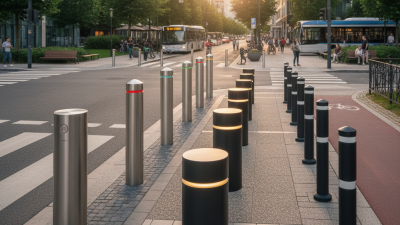
Parking Bollards are essential elements in urban landscapes. They serve a dual purpose: enhancing safety and controlling vehicle access. Many cities have embraced these structures to protect pedestrians and cyclists from potential accidents. By design, Parking Bollards create a clear distinction between vehicle zones and pedestrian pathways.
The presence of these sturdy posts can prevent unauthorized vehicle access in restricted areas. This helps reduce the likelihood of collisions and enhances overall safety. However, not all Bollards are created equal. They come in various materials, sizes, and designs, which can impact their effectiveness.
Despite their benefits, some argue that poorly designed Parking Bollards might obstruct views or create hazards. There is an ongoing debate about optimal placement and visibility. As our urban areas evolve, the conversation around Parking Bollards becomes even more relevant. It's vital to assess their role in improving safety while considering the design aspects that can sometimes lead to unexpected issues.
What is a Parking Bollard and Its Main Functions
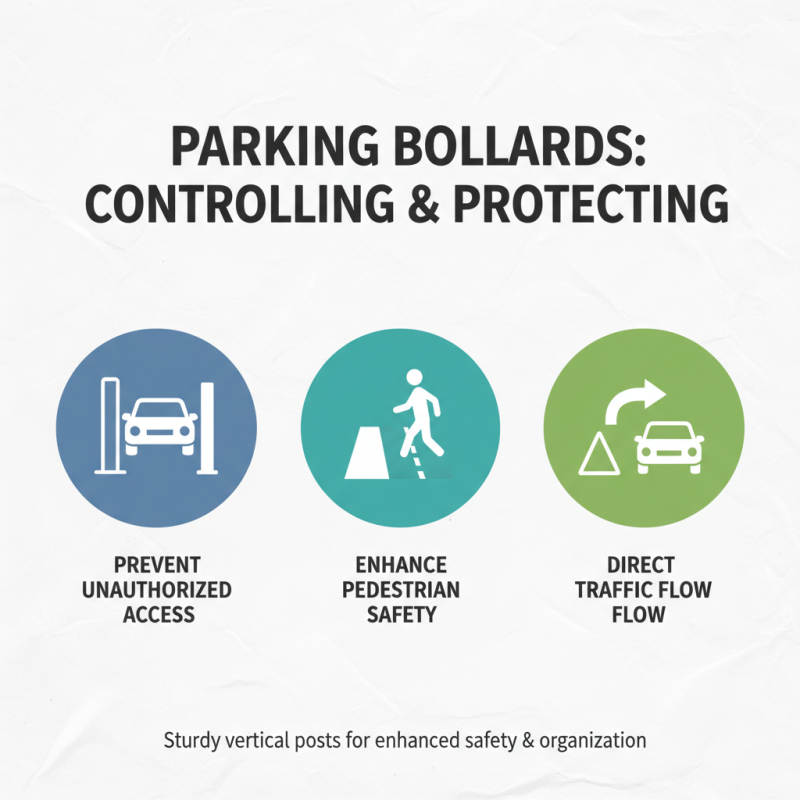
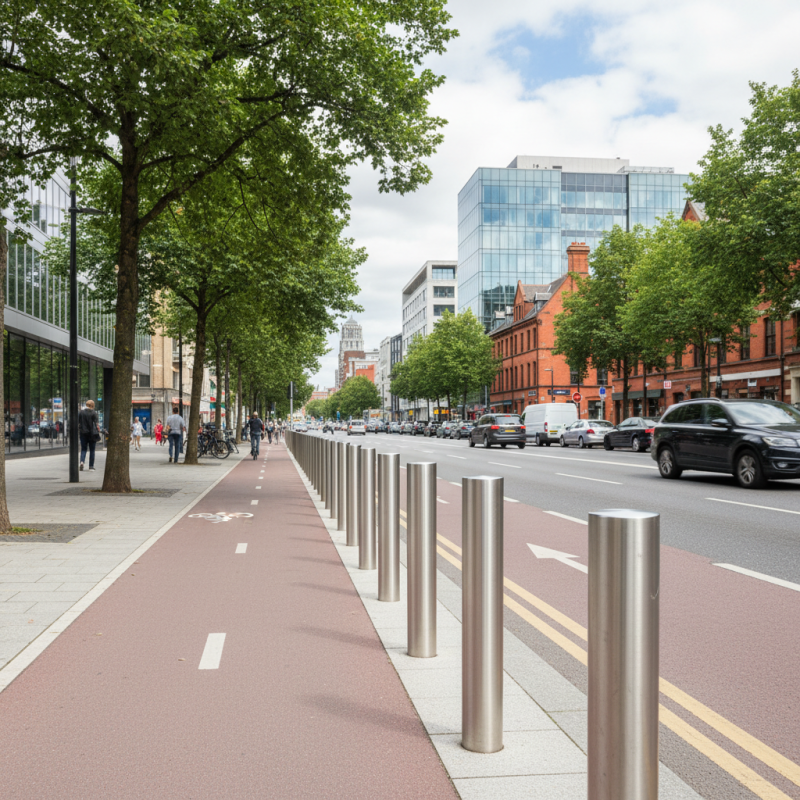
Parking bollards are sturdy, vertical posts designed to control traffic and enhance safety in various environments. They serve several key functions, primarily aimed at protecting pedestrians and vehicles. Bollards can prevent unauthorized vehicle access to restricted areas, ensuring the safety of people on foot. Additionally, they can direct traffic flow, helping to keep busy areas organized.
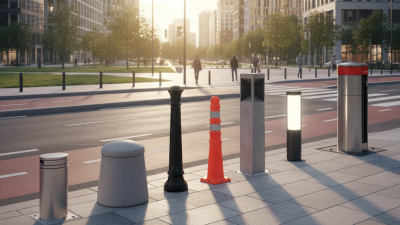
One major aspect of bollards is their material. Many are made of steel or concrete, providing durability. Some are even collapsible or removable, allowing flexibility in access. However, not all bollards are created equal. Poor installation can lead to compromised safety. Proper placement is crucial to maximize effectiveness.
Tips: When choosing bollards, consider clear visibility. Reflective surfaces can enhance night-time safety. Regular inspections are essential to ensure their integrity. Also, if they blend too well with the surroundings, they might become less effective. Keeping pathways clear and accessible makes a significant difference in pedestrian safety.
The Different Types of Parking Bollards Available
Parking bollards play a crucial role in enhancing safety in various environments. They are available in several types, each designed for specific purposes. One type is the fixed bollard, which provides permanent protection for pedestrian zones and prevents vehicle entry. According to a study by the International Road Assessment Programme, fixed bollards can reduce the risk of vehicle-related accidents by nearly 45% in high-traffic areas.
Another popular type is the removable bollard, favored for its versatility. Removable bollards can be taken out when access is needed. This flexibility is essential in locations that require occasional vehicle entry. In a report by the National Safety Council, it was noted that removable bollards have been adopted in urban planning to improve traffic flow without compromising safety.
Then, there are retractable bollards, which offer both security and convenience. They can be lowered into the ground when access is required and raised for protection. An analysis by the American Institute of Architects highlights that incorporating retractable bollards can enhance safety while maintaining aesthetic appeal in public spaces. While each type serves its purpose, it’s important to evaluate their effectiveness against the specific context where they are installed.
What is a Parking Bollard and How Does it Enhance Safety?
| Type of Parking Bollard |
Material |
Height (inches) |
Weight (lbs) |
Enhanced Safety Features |
| Fixed Bollard |
Steel |
36 |
50 |
Impact Resistance |
| Removable Bollard |
Aluminum |
30 |
25 |
Flexibility for Access |
| Collapsible Bollard |
Plastic |
24 |
15 |
Easy Storage |
| Retractable Bollard |
Stainless Steel |
42 |
60 |
Automated Access Control |
| Decorative Bollard |
Concrete |
36 |
80 |
Aesthetic Appeal |
How Parking Bollards Enhance Public Safety and Security
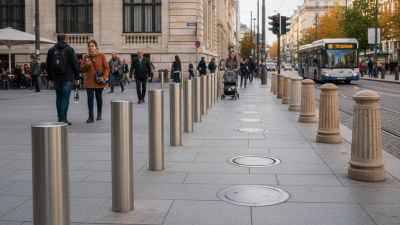
Parking bollards are often seen in busy public areas. These sturdy posts serve multiple purposes, primarily enhancing safety and security. They act as physical barriers that prevent vehicles from encroaching on pedestrian walkways. Their presence alone can deter reckless driving. This simple yet effective design makes them pivotal in high-traffic zones.
The role of parking bollards extends beyond mere obstruction. They help guide traffic flow, ensuring drivers remain focused. In areas prone to accidents, these bollards can prevent serious injuries.
Additionally, many bollards are designed to absorb impact, reducing damage from collisions. Their installation in places like school zones and parks demonstrates a commitment to public safety.
While their benefits are clear, some may view them as an inconvenience. They can obstruct access to certain areas, leading to frustration. It’s essential to balance safety and convenience. Striking this balance requires community input and careful planning. Such feedback can improve designs and placements. Engaging with the public on this matter fosters a safer environment for all.
Installation Guidelines for Effective Parking Bollard Usage
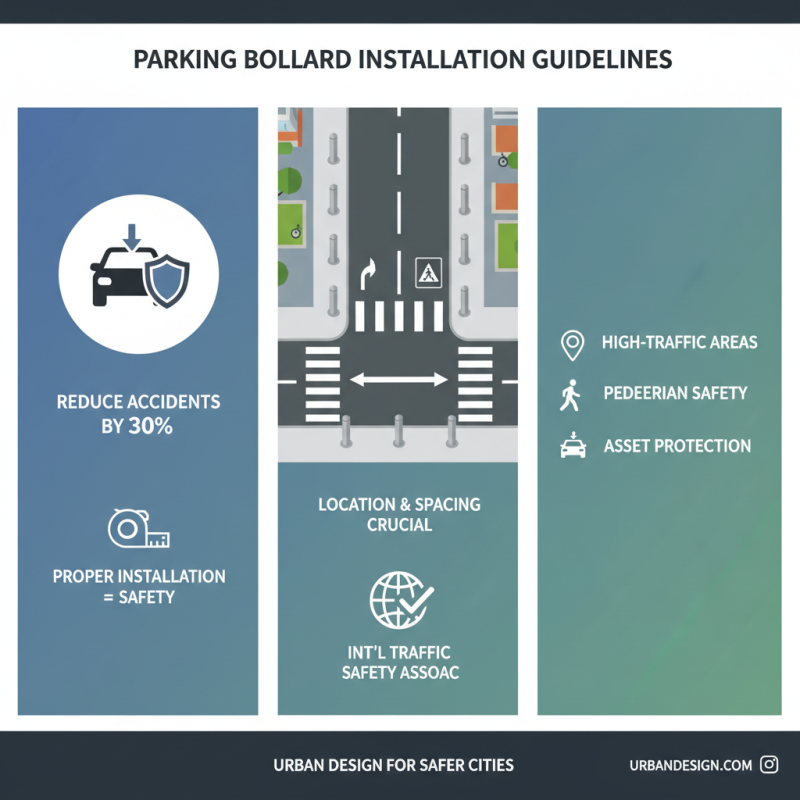
Parking bollards are key elements in urban design. They provide critical safety features, particularly in high-traffic areas. Proper installation is vital for their effectiveness. According to the International Traffic Safety Association, correctly positioned bollards can reduce vehicle accidents by up to 30%. However, many fail to consider location and spacing, which are essential for optimal safety benefits.
When installing parking bollards, maintain a distance of at least 2-3 feet from pedestrian pathways. This allows enough space for safe passage. Additionally, bollards should be clearly visible and use high-contrast colors to enhance visibility, especially at night. The American Society for Testing and Materials recommends that bollards stand at least 36 inches above ground level for effective deterrence against vehicle intrusion.
Improper installation can lead to gaps in safety. Some sites neglect maintenance, which diminishes their effectiveness. Regular assessments can identify if bollards need repositioning or replacement. Engaging with local safety authorities can help ensure compliance with regulations. The effectiveness of parking bollards hinges on thoughtful planning and consistent upkeep.
Maintenance Tips for Longevity of Parking Bollards
Parking bollards play a significant role in enhancing both safety and accessibility in urban settings. However, like any infrastructure, they require regular maintenance to ensure longevity. One key aspect of maintenance is regular inspection. Check for signs of wear, damage, or rust. Look closely at the paint; peeling or fading surfaces can indicate corrosion underneath. Such maintenance can prevent small issues from turning into costly repairs.
Another important tip is to keep the area around the bollards clear. Debris, such as leaves or dirt, can hide damage. Additionally, having a clean space allows better visibility for drivers and pedestrians. If a bollard becomes damaged, timely repairs are crucial. Ignoring cracks or dents can compromise the bollard's integrity. Repainting or replacing worn bollards helps maintain the overall aesthetic and functional value.
Considering weather conditions is also vital. Harsh climates can affect the materials of bollards. For instance, snow and ice can lead to rust or structural failure. Applying protective coatings can help shield them from the elements. Regular maintenance might seem tedious, yet it is essential for ensuring these safeguards remain effective over time.
Safety Enhancement Through Parking Bollards