Top 10 Tugboat Fenders in China You Should Know About?
Tugboat fenders play a crucial role in maritime operations. These protective devices are used to absorb the energy of a boat's impact against a dock or another vessel. In China, the tugboat fender industry is growing rapidly. Various manufacturers offer a range of products tailored to different needs.
These fenders are designed with specific materials and dimensions for optimal performance. Some fenders are made from rubber, while others use foam for lighter applications. The choice of fender can impact the safety and efficiency of harbor activities. However, not all fenders are created equal. It is essential to assess quality and certification, such as ISO or CE standards, when selecting a product.
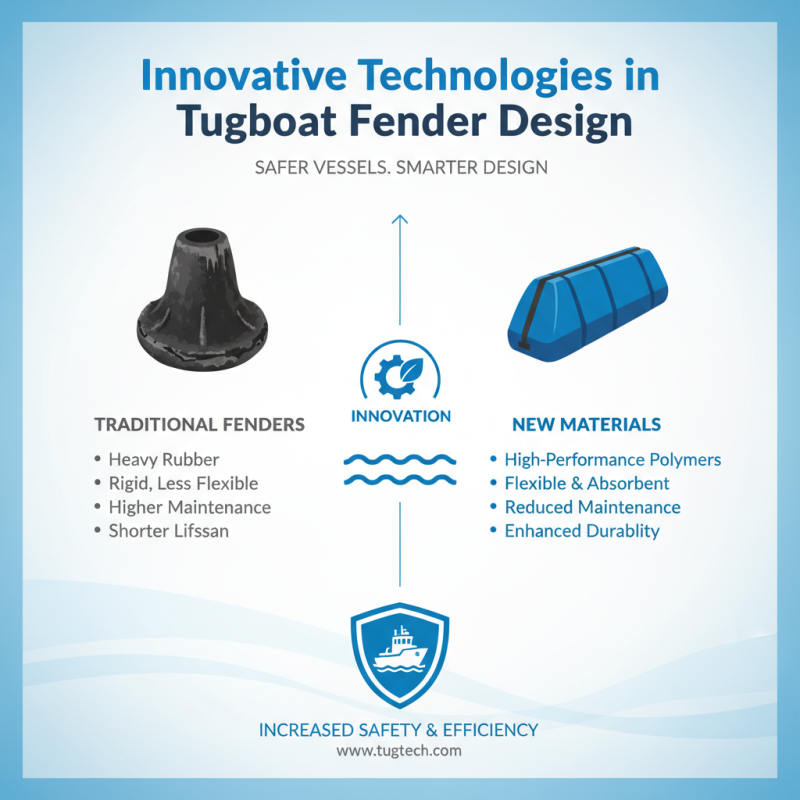
Keeping up with the latest advancements is vital. New technologies improve the durability and effectiveness of tugboat fenders. However, there is still a need for innovation and refinement in their design. The tugboat fender market in China presents opportunities and challenges for both buyers and suppliers. Understanding these dynamics is key to making informed decisions.
Top Features of Tugboat Fenders You Need to Consider
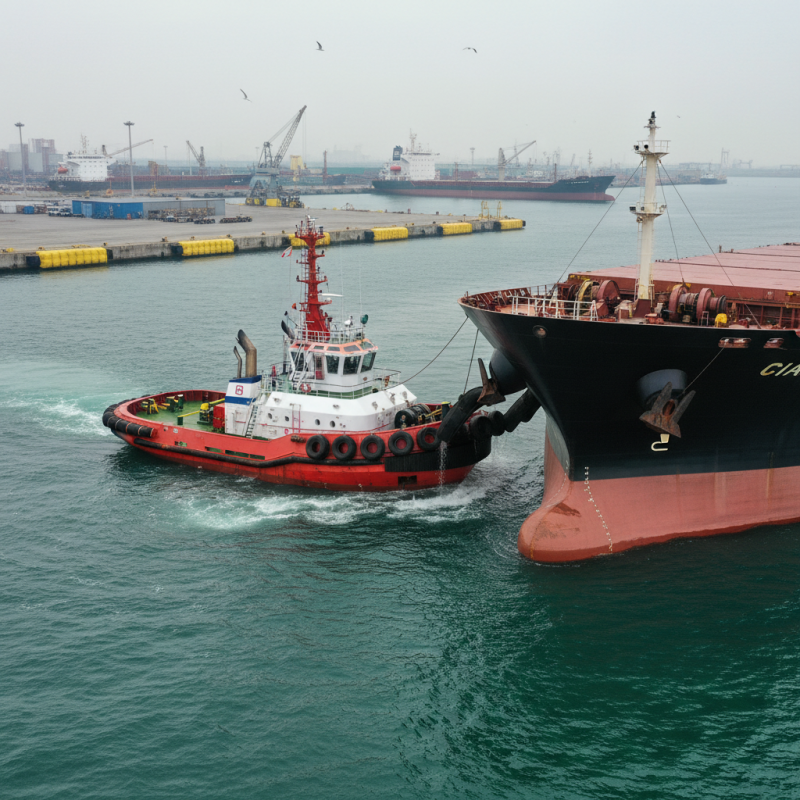
When selecting tugboat fenders, several key features come into play. The material choice is critical. Common materials include rubber, foam, and composite materials. Each has unique strengths in durability and impact resistance. A recent industry report indicates that rubber fenders dominate the market due to their flexibility and longevity.
Buoyancy is another essential factor. Fenders must effectively absorb kinetic energy during vessel maneuvers. Proper buoyancy prevents fender submersion, which can lead to inefficient protection. Ensuring adequate buoyancy can enhance safety and performance in busy ports.
Tip: Always check the weight rating and buoyancy level suitable for your specific tugboat type.
Size and shape are crucial as well. Fenders come in various shapes, including cylindrical and conical designs. Each shape serves different docking scenarios. For example, cylindrical fenders are ideal for larger vessels, while smaller boats may benefit from conical shapes.
Tip: Consider the docking environment. Harsh environments may require more robust fender designs.
Lastly, maintenance needs should not be overlooked. Fenders require regular inspections to maintain effectiveness. Neglect can lead to failure at critical moments. Continuous use, especially in bustling ports, can wear fenders down quicker than expected. Regular maintenance checks are necessary to ensure safety.
Types of Tugboat Fenders Available in China
Tugboat fenders play a crucial role in marine operations in China. They protect vessels during docking and mooring. The types available in the market are diverse, tailored to various operational needs. Among these are cylindrical fenders, which offer excellent energy absorption. They are popular due to their simplicity and effectiveness.
Another type is the D-shaped fender. These fenders are often used in confined spaces. They help minimize hull contact during berthing. According to recent industry reports, the demand for D-shaped fenders has increased by 25% over the last five years. This rise reflects a growing awareness of safety in maritime activities.
Additionally, foam-filled fenders present a lightweight alternative. They reduce the overall weight on the vessel while maintaining high deflection. However, they can be prone to wear if not maintained properly. Many operators overlook regular inspections, leading to potential safety hazards. Understanding the various types of fenders and their advantages helps in making informed decisions.
Leading Manufacturers of Tugboat Fenders in the Chinese Market
The tugboat fender market in China is evolving rapidly. Current reports indicate that the industry is expected to grow significantly, with estimates projecting a CAGR of over 5% through 2027. This growth is driven by the expanding shipping and logistics sectors. As more vessels navigate crowded waterways, the demand for effective fendering solutions has become critical.
Leading manufacturers are increasingly adopting advanced materials and innovative designs. This results in improved performance and longevity. For instance, specialized foam-filled fenders offer enhanced energy absorption. There's also a shift towards environmentally friendly materials, reflecting a growing awareness of sustainability. However, not all manufacturers meet these standards, which raises concerns about safety and reliability.
Moreover, regional variations affect product availability and pricing. Coastal areas demand higher quality fenders due to harsher conditions. Yet, inland manufacturers often cut costs, impacting durability. It’s essential for buyers to assess the reputation and certifications of these companies. Quality should not be sacrificed for price, as this can lead to higher replacement costs and safety risks. Choosing partners wisely is crucial in the competitive landscape of tugboat fenders.
Top 10 Tugboat Fenders in China You Should Know About
Maintenance and Care Tips for Tugboat Fenders
Maintaining tugboat fenders is crucial for their longevity and effectiveness. Regular inspections are vital. Look for signs of wear, such as tears or soft spots. A quick check might save you from bigger problems later. You don't want to discover a major issue during a crucial operation.
Cleaning is another important aspect. Use fresh water to remove salt and grime. Avoid harsh chemicals that can damage the fender material. A gentle scrub with a soft brush works well. After cleaning, dry the fenders in the shade. Sunlight can degrade the materials used in them.
Storage conditions can also impact fender life. Keep them in a cool, dry place when not in use. Avoid stacking them directly on rough surfaces. This can create unnecessary pressure points. Proactive care can seem tedious at times. However, neglecting these tasks could lead to costly repairs. Remember, taking care of your fenders means safer operations on the water.