Leave Your Message

10 Best Pole Bollards for Security and Safety?

Choosing the right Pole Bollards requires more than comparing steel thickness, prices, or visual appeal. These barriers protect entrances, storefronts, loading zones, and pedestrian paths from accidental vehicle impact. Their performance depends on spacing, foundation depth, vehicle speed, impact rating, visibility, and daily maintenance.

Grand View Research reports continued growth in the global bollards market, driven by urban development, traffic control, and public-space protection. The U.S. Department of Homeland Security also recommends vehicle barriers as part of a layered security strategy, rather than as isolated products. ASTM F2656 and IWA 14-1 provide recognized testing frameworks for evaluating vehicle impact performance. However, certification alone does not guarantee a suitable installation. Site conditions still matter.

Bruce Schneier, a widely cited security expert, states, “Security is a process, not a product.” That principle fits Pole Bollards well. A correctly rated bollard can still fail when installed in weak concrete, positioned too far apart, or hidden by poor lighting. Maintenance teams should inspect anchor points, corrosion, reflective markings, and impact damage regularly. Small details matter.

This guide reviews 10 Best Pole Bollards for Security and Safety, considering strength, visibility, installation, maintenance, and practical value. No ranking is perfect. A decorative bollard may suit a hotel entrance, while a tested crash-rated model may be necessary near a crowded public building. The best choice depends on the threat, site layout, budget, and expected users.

10 Best Pole Bollards for Security and Safety?

What Are Pole Bollards and How Do They Improve Security?

Pole bollards are short, upright posts installed beside entrances, sidewalks, loading areas, and public buildings. They control vehicle access while preserving pedestrian movement and visibility. Some models guide traffic, while reinforced systems resist vehicle impact. Their value becomes clearer near glass doors, crowded walkways, and outdoor seating.

The World Health Organization’s Global Status Report on Road Safety 2023 records about 1.19 million road deaths worldwide each year. The report is not a bollard study, but it shows why separating vehicles from people matters. In the United States, NHTSA recorded 7,522 pedestrian deaths in 2022. Properly spaced bollards can reduce accidental vehicle intrusion and create a visible safety boundary.

Security performance requires more than thick steel. ASTM F2656 and IWA 14-1 impact standards classify tested barriers by vehicle type, speed, and penetration distance. Specifiers should match those results with site risks, foundation depth, drainage, emergency access, and local traffic patterns. A strong post installed in weak concrete may offer false confidence. That mistake is easy to miss.

Experienced installers also check turning paths, wheelchair clearance, lighting, and maintenance access. Removable or collapsible posts may support occasional service access, but they can create weak points when left unsecured. Fixed systems usually provide more consistent protection. Bollards are not invisible walls. They need thoughtful placement, regular inspection, and realistic expectations.

Key Features to Compare in Security and Safety Bollards

Security bollards should be compared by performance, not appearance alone. In site assessments, I check vehicle impact ratings, steel grade, wall thickness, and anchoring depth. A strong appearance is not enough. Ask whether the bollard is fixed, removable, or retractable. Fixed models usually provide consistent protection, while removable versions support occasional access. Retractable units need reliable locking systems and regular servicing.

Visibility matters in real conditions. Choose bright finishes, reflective bands, or integrated lighting for dim entrances. The spacing should guide pedestrians without creating narrow pinch points. Rounded edges can reduce clothing snags and minor contact injuries. Check the installation surface, drainage, and nearby utilities before drilling. Small oversights become expensive repairs.

Maintenance is another key comparison. Inspect welds, fasteners, hinges, and surface corrosion after harsh weather or accidental contact. Galvanized or coated steel may resist rust, but no finish lasts forever. I once saw a well-rated bollard fail because its concrete foundation was too shallow. That experience changed my checklist. Always review engineering documents, tested impact data, warranty terms, and replacement-part availability. Accessibility also deserves attention, especially where bollards sit beside ramps, doors, or loading areas. Some designs look secure but obstruct clear movement. A practical choice balances resistance, visibility, access control, installation limits, and long-term upkeep.

10 Best Pole Bollards for Security and Safety: Key Features to Compare

This comparison index ranks the practical importance of ten specification areas when selecting security and safety bollards. Impact resistance, foundation design, visibility, and compliance testing receive the highest weighting because they directly affect vehicle protection and pedestrian safety. Scores are comparative guidance, not certification results.

When comparing fixed, removable, retractable, or automatic bollards, verify the tested impact rating, vehicle mass and speed used in the test, anchoring depth, material grade, visibility features, drainage requirements, maintenance access, and compliance with applicable standards such as ASTM F2656, IWA 14-1, PAS 68, or local safety regulations.

The Ten Best Pole Bollard Types for Different Applications

10 Best Pole Bollards for Security and Safety?
The Ten Best Pole Bollard Types for Different Applications
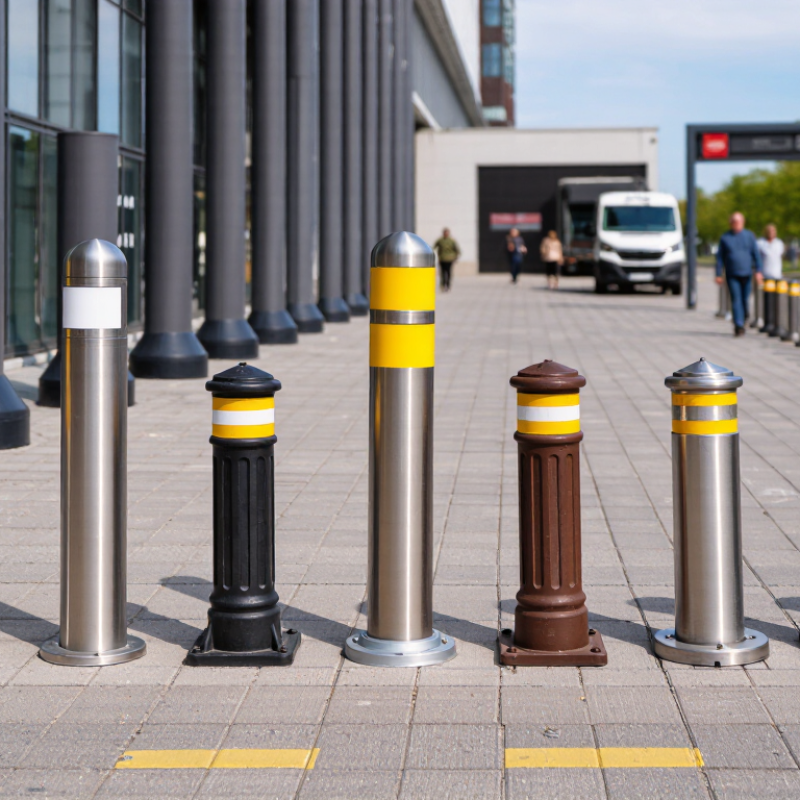
Choosing the best pole bollard depends on traffic, impact risk, visibility, and maintenance access. Fixed steel bollards suit storefronts, loading bays, and pedestrian routes requiring dependable, permanent protection. Stainless steel bollards offer corrosion resistance near coastal paths, hospitals, and polished entrances. Concrete-filled steel bollards add substantial impact resistance where delivery vehicles operate daily. Their appearance is practical, not always attractive.

Removable bollards work well at emergency lanes, private drives, and service entrances needing occasional vehicle access. Lockable folding bollards provide a simpler option for parking control, although hinges can collect grit.

Retractable bollards fit sites needing clear access during events or deliveries. Automatic rising bollards require professional installation, drainage, sensors, and regular testing. They are powerful, but neglected systems can become unreliable.

Reflective bollards improve night visibility beside dark roads and warehouse corners. Flexible polymer bollards bend during minor contact, reducing damage in car parks and narrow lanes.

Decorative cast bollards support heritage areas, campuses, and public squares where visual character matters. Heavy-duty pipe bollards suit factories, substations, and freight yards with repeated impact exposure.

Field checks should confirm foundation depth, spacing, sightlines, and local accessibility requirements. A bollard that looks strong may still fail if its footing is weak.

I would also question oversized protection in low-risk areas, because it can restrict movement and increase installation costs. Clear markings, routine inspections, and honest risk assessment usually matter as much as the bollard material.

How to Choose the Right Pole Bollard for Your Site

How to Choose the Right Pole Bollard for Your Site

Choosing a pole bollard starts with understanding the site, not its appearance. Walk the area at different times. Note vehicle paths, pedestrian movement, delivery zones, and poorly lit corners. A bollard beside a loading entrance faces different risks from one protecting a school walkway.

Define the required protection level before selecting materials. Steel poles suit many vehicle-control applications, while concrete offers strong resistance but may look severe. Fixed bollards provide dependable protection. Removable models can support occasional access, but their sockets need careful drainage and cleaning. Ask whether the foundation can handle the expected impact forces. Surface mounting may be unsuitable for weak paving.

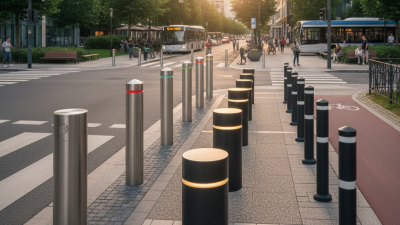
Visibility also affects safety. Choose a height that drivers can see from a normal seat. Add reflective bands or contrasting finishes near crossings and entrances. Keep spacing tight enough to prevent vehicle access, but wide enough for wheelchairs, carts, and maintenance equipment. Local building rules and accessibility requirements should guide the final layout. Confirm them with a qualified site professional.

Maintenance is easy to overlook. Inspect loose fittings, rust, damaged coatings, and water inside sockets. One common mistake is choosing heavy bollards without planning replacement access. That decision can make future repairs slow and expensive. The strongest option is not always the most suitable one. Site use changes, too. Review the layout after deliveries, renovations, or traffic-pattern changes.

Installation, Maintenance, and Safe Use of Pole Bollards

Pole bollards protect entrances, loading areas, and pedestrian routes from accidental vehicle contact. NHTSA reported 40,901 U.S. roadway deaths in 2023, showing why physical separation still matters. Choose units with documented impact testing, not appearance alone. Standards such as ASTM F3016 or PAS 68 can clarify performance, but ratings are not interchangeable. Confirm the tested foundation, spacing, vehicle speed, and installation method.

Installation begins below the surface. Locate utilities before excavation, then match the footing depth to soil, frost, drainage, and impact requirements. Keep bollards aligned with doors and walking paths. Leave enough accessible clearance for wheelchairs, carts, and emergency movement. Poor spacing can create a trip hazard. It happens more often than expected. Use reflective bands or lighting in low-visibility areas. After installation, inspect monthly for loose anchors, cracks, corrosion, water damage, and vehicle strikes. Check removable posts after every removal and replacement. A perfect installation is unlikely, so document defects and repair them early.

Tips: Keep a simple inspection log with photos. Wash salt and grit from exposed metal. Replace damaged reflective material promptly. Never use a bollard as a seat, ladder, or tie-off point. Maintain clear sightlines for drivers and pedestrians. Review the layout after nearby construction, because traffic patterns can change. When impact protection is critical, request engineering review and verified test documentation before purchase.

10 Best Pole Bollards for Security and Safety? - Installation, Maintenance, and Safe Use of Pole Bollards
Rank Recommended Bollard Type Typical Material Typical Height Typical Diameter Security and Safety Strength Recommended Applications Installation Guidance Maintenance Requirements Safe-Use Considerations
1 Fixed Steel Security Bollard Carbon steel with a galvanized or powder-coated finish 900–1,200 mm 100–220 mm High physical protection
Suitable for controlling vehicle access when correctly anchored and engineered.
Building entrances, storefronts, loading areas, utility equipment, and pedestrian zones Core-drill or excavate a reinforced foundation. Set the post plumb and follow the manufacturer’s foundation depth and concrete requirements. Inspect for corrosion, loose fixings, coating damage, and impact deformation at least twice a year. Keep adequate clearance for pedestrians, wheelchairs, bicycles, doors, and emergency access routes.
2 Stainless-Steel Fixed Bollard Stainless steel, commonly brushed or polished 750–1,200 mm 76–168 mm High durability
Resists rust well in many architectural and public-facing environments.
Hotels, hospitals, retail entrances, coastal areas, and high-visibility pedestrian spaces Use a concrete footing sized for local soil and expected loads. Use compatible stainless or corrosion-resistant hardware. Wash periodically with clean water and a mild detergent. Remove salt deposits and avoid chlorine-based cleaners that can stain stainless steel. Polished surfaces may create glare. Use contrasting bands or reflective markings where visibility is limited.
3 Removable Security Bollard Steel or stainless steel post with a ground sleeve 750–1,000 mm 89–168 mm High when locked correctly
Provides strong access control while allowing authorized vehicle passage.
Shared driveways, event areas, fire lanes, service entrances, and seasonal access points Install the receiver sleeve level with the finished surface and provide drainage. Use a lock that resists tampering and weather exposure. Clean the sleeve, check the locking mechanism, lubricate only with a compatible product, and remove debris from the receiver. Remove and store the post safely when not in use. Never leave an unlocked or partially inserted post in a traffic route.
4 Lockable Retractable Bollard Galvanized steel or stainless steel 600–900 mm above ground when raised 100–220 mm Medium to high
Useful for controlled access; resistance depends on the locking system and foundation design.
Private driveways, parking entrances, residential developments, and restricted service roads Provide a rigid below-ground housing, positive drainage, and a clear operating area. Verify that the raised post cannot strike vehicles or pedestrians. Remove dirt from moving parts, inspect hinges and locks, check drainage, and repair damaged reflective markings. Operate only from a safe position. Confirm the bollard is fully lowered before allowing vehicles to pass over or near it.
5 Automatic Rising Bollard Steel or stainless steel with an electric or hydraulic mechanism 600–900 mm above ground when raised 150–275 mm High access-control capability
Some tested systems can provide vehicle-impact resistance; certification must be verified for the selected unit.
Security entrances, public squares, government facilities, and controlled vehicle zones Requires specialist design, power supply, drainage, safety loops or sensors, emergency release, and commissioning by qualified personnel. Schedule periodic functional tests, inspect seals and hydraulics, clear drainage, test warning lights, and maintain backup-release systems. Use visible signals, audible warnings, anti-entrapment controls, and a manual emergency procedure. Do not bypass safety sensors.
6 Flexible Polymer or Rubber Bollard UV-stabilized polyurethane, recycled rubber, or flexible plastic 450–1,000 mm 80–150 mm Low to medium impact protection
Designed mainly to guide traffic and reduce damage during minor contact.
Parking aisles, cycle lanes, temporary traffic management, warehouses, and pedestrian guidance Fix to a sound, level surface using the specified anchors. Avoid installation where a heavy vehicle impact is expected. Check for cracking, UV degradation, missing anchors, leaning, and reduced visibility. Replace deformed units promptly. Do not use flexible posts as a substitute for certified vehicle-stopping barriers or high-security bollards.
7 Heavy-Duty Cast-Iron or Ductile-Iron Bollard Cast iron or ductile iron with protective paint or coating 750–1,200 mm 120–250 mm Medium to high
Strong and stable when properly anchored, but the casting and base design must be assessed for impact use.
Historic districts, civic spaces, parks, streetscapes, and architectural vehicle boundaries Use a reinforced concrete foundation and corrosion-resistant fixings. Confirm that the pavement can support the concentrated load. Inspect for rust, cracking, damaged paint, loose anchors, and water accumulation around the base. Maintain clear visibility at night with reflective bands, nearby lighting, or approved high-visibility treatments.
8 Decorative Architectural Bollard Steel, stainless steel, aluminum, or cast iron 600–1,100 mm 75–180 mm Low to medium
Primarily defines space and discourages casual vehicle access rather than stopping high-energy impacts.
Shopping streets, hotels, campuses, plazas, gardens, and building entrances Anchor according to the structural design. Use a reinforced base if the location could be exposed to vehicle contact. Clean the finish, inspect welds and fasteners, touch up coating damage, and replace faded visibility markings. Choose a height and spacing that prevents vehicles from passing between posts while preserving accessible pedestrian routes.
9 Lighted Safety Bollard Powder-coated steel, stainless steel, or aluminum with LED lighting 600–1,200 mm 100–200 mm Low to medium
Improves nighttime guidance and visibility; structural protection depends on the post and foundation.
Walkways, parking areas, campuses, transit facilities, and pedestrian crossings Use outdoor-rated electrical components, protected cabling, proper earthing, and a sealed foundation entry. Follow local electrical codes. Clean lenses, test lighting, inspect seals and cables, check grounding, and replace damaged LED modules or covers. Prevent glare and maintain even spacing. Do not position lighted posts where damaged wiring could become a trip or shock hazard.
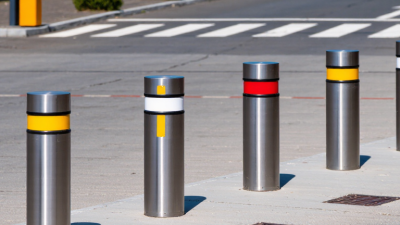
10 High-Visibility Traffic Bollard Galvanized steel or coated steel with reflective sheeting 750–1,200 mm 76–168 mm Medium guidance and protection
Provides strong visual separation and moderate physical resistance when securely installed.
Road edges, parking entrances, warehouse yards, loading zones, and pedestrian crossings Install with approved anchors or a concrete footing. Align posts consistently and verify that they do not reduce required lane or walkway width. Clean reflective surfaces, inspect anchors, check alignment, and replace faded or damaged reflective sheeting. Use appropriate spacing, lighting, and color contrast. Do not place posts where they obstruct sight lines, drainage, or emergency operations.

Note: Dimensions and performance descriptions are typical planning ranges, not product specifications. Vehicle-impact resistance should only be claimed when a specific bollard system has been independently tested and certified to the applicable local or national standard. Final spacing, foundation size, drainage, accessibility, and electrical requirements should be confirmed by a qualified designer or installer.