China Top 10 Road Bollards Manufacturers in 2026 offers a practical starting point for buyers, contractors, and infrastructure planners. This guide examines manufacturers through product quality, engineering capability, production experience, and customer support. It focuses on Road Bollards used near roads, parking entrances, pedestrian zones, logistics yards, and public facilities.
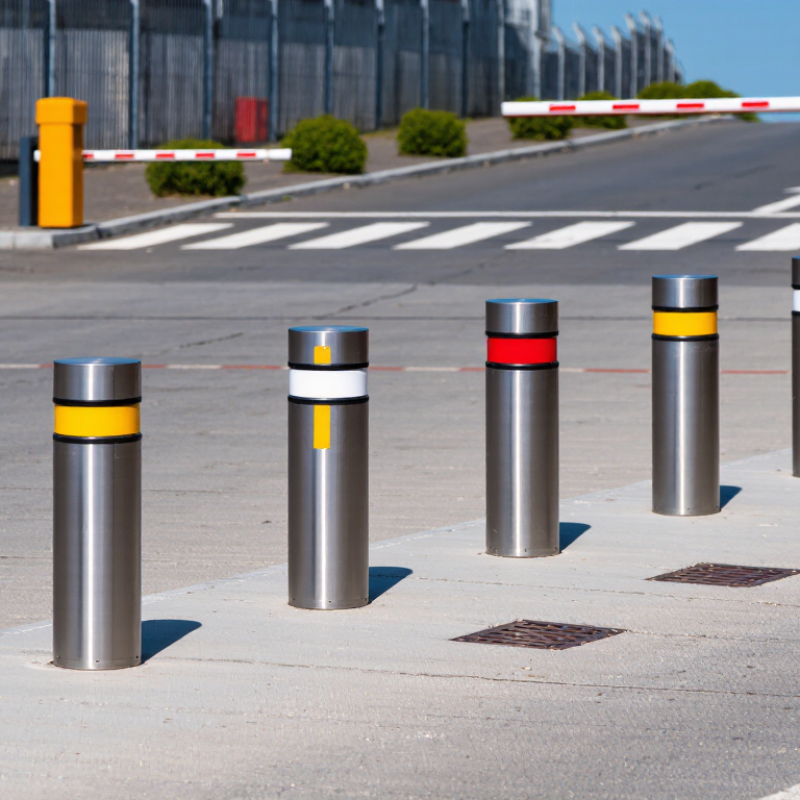
The evaluation considers materials, manufacturing consistency, safety features, and installation requirements. Stainless steel, galvanized steel, and powder-coated finishes can affect durability and maintenance. Reflective bands should remain visible during rain, fog, and nighttime traffic. Automatic bollards also require reliable hydraulic or electric systems, protected wiring, drainage design, and accessible service points. These details often matter more than attractive catalog images.
Real purchasing decisions involve more than factory size. Certifications, testing records, warranty terms, spare parts, and export experience deserve careful review. Site conditions matter too. A coastal project may need stronger corrosion protection, while a busy loading area may require higher impact resistance. Product selection should match local engineering standards and the intended traffic environment.
No ranking is perfect. Supplier information can change quickly. Some manufacturers present excellent samples but offer inconsistent batch quality. Others may communicate poorly while producing dependable equipment. That difference deserves attention. This overview uses available company information, product evidence, and practical comparison points to identify ten notable Chinese manufacturers in 2026. Buyers should still request current quotations, technical drawings, test reports, and installation references before making a final decision.
China’s road bollard manufacturing industry is entering 2026 with strong infrastructure demand. The Ministry of Transport’s 2024 Statistical Bulletin reported more than 190,000 kilometers of expressways nationwide. China’s total road network also exceeded 5.4 million kilometers, according to the National Bureau of Statistics. These figures support continued demand for flexible posts, reflective barriers, pedestrian separators, and parking-control units.
Manufacturers are competing through recycled polymer blends, galvanized steel, impact recovery, and faster custom tooling. Quality-focused factories now test UV exposure, color retention, rebound performance, and anchor strength. Buyers should also check production traceability, sample consistency, and inspection records. The GB 5768 road traffic safety sign series remains a useful reference when evaluating visibility and placement. However, a weakness remains: public reports rarely separate bollard sales from the wider road-safety equipment market. Rankings can therefore look more precise than the evidence allows.
Tips: Compare three samples under daylight and headlights. Check wall thickness, reflective area, base dimensions, and temperature performance. Ask for recent test reports, not only catalog claims. A small batch trial is safer than a large first order. Field conditions expose flaws quickly. Rain, dust, and repeated vehicle contact can change performance. Supplier communication also matters, although it is often overlooked. In 2026, the strongest manufacturers will likely combine stable materials, documented testing, and practical customization rather than rely on low prices alone.

Ranking China’s top 10 road bollard manufacturers in 2026 requires more than comparing price lists. The key test is verified performance. ASTM F2656 impact testing measures vehicle crash resistance through speed, vehicle mass, and penetration distance. Manufacturers should provide current laboratory reports, batch records, and traceable test samples. A factory video is not enough.
Material quality also matters. Stainless steel grade, wall thickness, weld consistency, reflective film, and corrosion protection affect service life. The Global Status Report on Road Safety 2023 records about 1.19 million annual road deaths worldwide. This figure reinforces the need for visible, correctly installed roadside protection. Rankings should examine installation manuals, drainage details, maintenance access, and field feedback from transport contractors. Small details matter.
Production reliability deserves equal weight. Auditors should review monthly capacity, quality-control checkpoints, rejected-unit rates, and delivery performance. ISO 9001 certification can support process confidence, but certification alone proves little about impact resistance. The ranking should also consider EN 12767 or comparable passive-safety evidence where relevant. Costs should be assessed through lifecycle value, not purchase price. A cheaper bollard may need earlier repainting or replacement. That is easy to overlook. Reported specifications can also be incomplete, especially when testing conditions are unclear. Independent verification remains essential. A careful ranking should therefore combine documented testing, factory experience, engineering support, export consistency, and transparent after-sales records.
China’s Top 10 Road Bollard Manufacturers in 2026 reflect a mature and highly competitive manufacturing sector. A reliable shortlist should examine more than product photographs. Factory experience, steel quality, welding accuracy, surface treatment, and testing records deserve close attention. Road bollards must resist vehicle impact, weather exposure, and repeated daily use. Small details matter.
The strongest manufacturers typically offer fixed, removable, retractable, and automatic bollard solutions. Their engineers should explain foundation depth, anchor spacing, drainage, and maintenance access clearly. In practical projects, installation drawings can prevent costly site errors. Useful evidence includes load-test reports, corrosion-control procedures, sample inspections, and traceable production records. Clear communication also matters when specifications change.
No shortlist is perfect. A polished catalog may hide inconsistent batch quality. Buyers should request physical samples and inspect welds, coating thickness, hinges, locks, and warning visibility. Suppliers with documented quality systems appear more dependable, but paperwork alone proves little. Project references, factory audits, and responsive after-sales support provide stronger evidence. The best choice depends on traffic conditions, climate, budget, and maintenance capacity. Local installers should also review ground conditions before approval. That step is sometimes overlooked.
China’s top 10 road bollard manufacturers in 2026 should be assessed by product type, material, and sensing capability.
Fixed bollards suit sidewalks and perimeter control. Removable models support temporary access changes. Automatic rising bollards serve controlled vehicle entrances, while flexible posts reduce impact damage near cycle lanes.
Material choice affects service life. Stainless steel, especially 304 or 316 grade, resists corrosion in urban and coastal environments. Galvanized steel offers a practical balance between strength and cost. Ductile iron provides heavy-duty protection, but it increases foundation requirements. Recycled polymer bollards are lighter and safer for low-speed zones. They are not ideal everywhere.
Smart bollards now combine LED status lights, RFID readers, radar, cameras, and remote diagnostics. MarketsandMarkets’ 2024 Smart Roads report projects the sector to grow from about USD 25 billion in 2023 to more than USD 60 billion by 2028. That growth supports connected access control, but a sensor does not automatically create safer streets. According to the International Energy Agency, electric car sales exceeded 14 million globally in 2023, increasing demand for managed charging access and protected curb space. In practical installations, wireless connectivity can fail inside reinforced concrete or during power interruptions. Manual release still matters. Grand View Research’s smart-city infrastructure analysis also identifies connectivity and real-time monitoring as major growth drivers. Yet manufacturers should publish ingress ratings, impact testing, cycle counts, and maintenance intervals. Marketing language often hides these details. Procurement teams should inspect samples, test drainage, and question unsupported lifetime claims.
When comparing China’s top 10 road bollard manufacturers in 2026, certification should support real performance, not decorate a sales brochure. The WHO Global Status Report on Road Safety 2023 recorded approximately 1.19 million road deaths worldwide each year. That figure makes impact resistance, visibility, and installation quality practical concerns. Check whether a manufacturer provides independent test reports for the exact bollard model. ISO 9001 can indicate controlled quality processes, but it does not prove crash resistance. Numbers can mislead.
Review the testing method carefully. Fixed, flexible, removable, and automatic bollards require different evidence. For vehicle-security products, request reports aligned with standards such as ASTM F2656 or IWA 14-1. Confirm the vehicle mass, impact speed, penetration rating, foundation design, and test date. A vague “passed testing” statement is insufficient. Ask for serial-level traceability, material grades, welding procedures, corrosion treatment, and spare-part records. In my experience, suppliers often present excellent samples while production consistency remains less visible.
Tips: Ask for a factory audit, recent batch photos, and a sample inspection before signing. Compare monthly capacity, lead time, export packaging, and backup suppliers for motors or control units. The World Bank Logistics Performance Index 2023 evaluates customs, infrastructure, logistics competence, and delivery timeliness; use these areas when reviewing supply capability. A low quotation may exclude foundations, testing, commissioning, or replacement parts. That is where comparisons become imperfect. Ask for evidence.
| Rank | Anonymous Manufacturer | Core Product Coverage | Common Material Options | Security-Test Standards to Request | Management Certification to Verify | Weather-Protective Rating to Verify | Customization Capability | Supply-Capability Evidence | Recommended Buyer Verification |
|---|---|---|---|---|---|---|---|---|---|
| 1 | Manufacturer 01 | Fixed, removable, automatic, and telescopic bollards | 304/316L stainless steel; carbon steel | PAS 68, IWA 14-1, ASTM F2656 where impact resistance is required | ISO 9001:2015 certificate and valid scope | IP67 for outdoor electrical enclosures, if applicable | Height, diameter, finish, access control, foundation cage, and control logic | Production schedule, inspection plan, packaging specification, and shipment history | Request original test reports, drawings, samples, and a factory video audit |
| 2 | Manufacturer 02 | Fixed security bollards and removable traffic bollards | 316L stainless steel; galvanized steel | IWA 14-1 or PAS 68 test classification for hostile-vehicle applications | ISO 9001:2015; verify certificate issuer and expiry date | Corrosion-protection system and outdoor enclosure rating to be specified | Custom plate thickness, anchoring arrangement, powder coating, and reflective bands | Bill of materials, welding procedure, coating records, and pre-shipment inspection | Match the tested vehicle mass, impact speed, foundation, and installation layout |
| 3 | Manufacturer 03 | Automatic rising bollards and hydraulic road blockers | Stainless steel; painted structural steel | ASTM F2656, IWA 14-1, or PAS 68 for crash-rated systems | ISO 9001:2015; electrical-control conformity documents where required | IP65 or higher for suitable outdoor control cabinets; verify complete assembly | Loop detectors, photocells, remote control, access readers, emergency lowering, and PLC integration | Factory acceptance test, spare-parts list, wiring diagram, and service response procedure | Confirm duty cycle, operating speed, power supply, drainage, and manual override |
| 4 | Manufacturer 04 | Residential, commercial, and parking-access bollards | 304 stainless steel; aluminum for selected components | Usually non-crash-rated; request impact classification when security protection is needed | ISO 9001:2015 or equivalent quality-management evidence | IP54–IP67 depending on motor, controller, and installation configuration | Finish, logo-free labeling, dimensions, access-control interface, and mounting method | Confirmed monthly production plan, sample approval process, and packaging test | Separate pedestrian, parking, and hostile-vehicle requirements before quotation |
| 5 | Manufacturer 05 | Decorative, landscape, and pedestrian-zone bollards | Cast iron; stainless steel; galvanized steel | No crash rating should be assumed without a valid independent test report | ISO 9001:2015 or documented internal quality procedures | Coating, drainage, and corrosion-resistance specification required | Profile, texture, color, reflective elements, base plate, and installation accessories | Material certificates, coating samples, dimensional inspection, and carton or pallet plan | Verify pedestrian safety, edge treatment, anchoring strength, and local planning requirements |
| 6 | Manufacturer 06 | Manual telescopic and fold-down parking bollards | Galvanized steel; powder-coated steel; stainless steel | Crash certification generally not applicable unless specifically tested | Quality-control records and material traceability should be requested | Outdoor corrosion protection, lock protection, and drainage design to be verified | Lock type, reflective strip, tube diameter, base design, and mounting hardware | Standardized dimensions, carton quantity, loading plan, and replacement-part availability | Confirm theft resistance, key management, wind stability, and anchor pull-out requirements |
| 7 | Manufacturer 07 | Heavy-duty fixed and semi-automatic security bollards | Q235/Q355 carbon steel; stainless-steel covers | PAS 68, IWA 14-1, or ASTM F2656 with test configuration disclosed | ISO 9001:2015; welding and coating process controls should be documented | IP-rated hydraulic or electromechanical components where applicable | Crash class, foundation depth, surface treatment, control panel, and emergency operation | Welding qualification, non-destructive inspection records, factory test, and installation manual | Compare the certified vehicle class and penetration distance with the project risk assessment |
| 8 | Manufacturer 08 | Automatic bollards for campuses, factories, and logistics sites | Stainless steel; galvanized and painted steel | Request a test standard appropriate to the intended threat and vehicle type | ISO 9001:2015 and electrical-safety documentation for control equipment | IP65 minimum target for exposed control equipment; verify operating temperature range | RFID, license-plate recognition interface, access barriers, induction loops, and fire-alarm integration | System wiring diagram, software protocol, commissioning plan, and technical support arrangement | Check compatibility with local voltage, network protocols, safety sensors, and emergency services |
| 9 | Manufacturer 09 | OEM bollards, project components, and replacement parts | 304 stainless steel; carbon steel; aluminum accessories | Testing must correspond to the final assembled product, not only individual components | ISO 9001:2015 or equivalent documented quality system | Specify enclosure, actuator, connector, and coating ratings separately | Private-label packaging without brand display, drawings, tolerances, and component substitution control | First-article inspection, change-control procedure, serial traceability, and export documentation | Approve a golden sample and define written rules for materials, tolerances, and approved substitutions |
| 10 | Manufacturer 10 | Portable, temporary, and event-security bollard systems | Steel; stainless steel; recycled polymer components where suitable | Do not treat temporary traffic control products as crash-rated security barriers without testing | Product quality records, inspection checklist, and material declarations | Outdoor-use, UV-resistance, drainage, and corrosion data should be requested | Ballast type, transport wheels, reflective markings, storage format, and rapid installation method | Inventory availability, packaging dimensions, loading quantity, and replacement-unit plan | Confirm whether the product is intended for traffic guidance, access control, or vehicle mitigation |