China Best Cylinder Fender Solutions for Marine Protection and Stability?
In the ever-evolving maritime industry, marine protection remains a critical focus. Cylinder fenders have emerged as essential solutions, ensuring the safety and stability of vessels during docking and maneuvering. According to a recent report by the Marine Safety Council, nearly 30% of maritime accidents are related to docking incidents. This highlights the necessity for reliable protective equipment like cylinder fenders.
Experts in the field emphasize the importance of these fenders. Dr. James Wang, a leading marine engineering specialist, stated, “Cylinder fenders are vital for reducing impact forces during berthing.” The design and material of these fenders significantly influence their performance under various conditions.
However, not all cylinder fenders are created equal. Some may show wear more quickly than others. Factors such as environmental exposure and installation quality play a critical role in their efficacy. Thus, careful selection and maintenance of cylinder fenders can be key to enhancing marine safety. The question remains: how can we ensure the highest standards in fender technology?
China's Cylinder Fender Technology Overview for Marine Applications
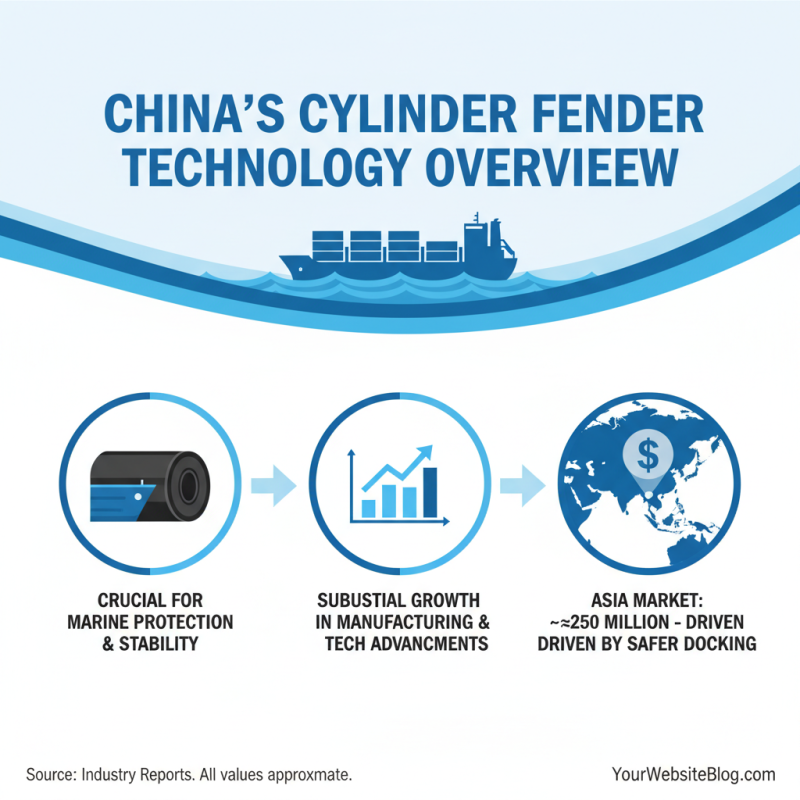
Cylinder fenders play a crucial role in marine protection and stability. In China, advances in cylinder fender technology have been remarkable. The country’s fender manufacturing industry has seen a substantial growth. Reports indicate that the market for marine fenders in Asia is valued at approximately $250 million. This growth is driven by the increasing demand for safer docking solutions.
China's cylinder fenders are designed using robust materials like rubber and polyurethane. These materials enhance durability and performance, especially in harsh marine environments. The ability of these fenders to absorb impact energy efficiently is vital. Data shows that cylinder fenders can reduce vessel berthing energy by up to 70%. This reduction helps prevent damage to both ships and docks, making them a reliable choice.
Despite their effectiveness, there are challenges. Some manufacturers face difficulties in maintaining consistent quality. Variations in material properties can affect performance. Additionally, environmental factors like UV exposure can degrade fender materials over time. Ongoing research focuses on improving the longevity and resilience of marine fenders. This will ensure that they continue to meet the evolving demands of the industry.
Key Benefits of Using Cylinder Fenders in Marine Protection
Cylinder fenders play a crucial role in marine protection. These fenders absorb impact energy effectively. Reports suggest that using cylinder fenders can reduce the risk of collision damage by nearly 30%. This significant reduction in damage can lead to lower repair costs and operational downtime.
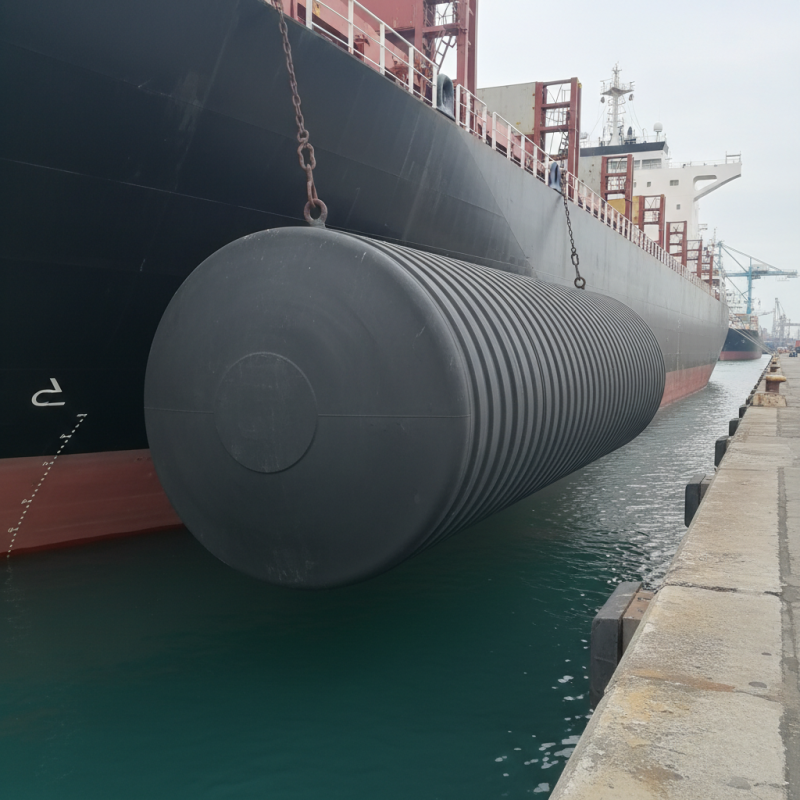
The design of cylinder fenders allows for easy installation and versatility. They can be used in various marine environments, from busy ports to quiet marinas. Their cylindrical shape provides a continuous contact surface, optimizing protection during berthing operations. Some studies indicate that well-placed fenders can help improve docking accuracy.
However, choosing the right fender for specific conditions remains challenging. Factors like water currents, vessel size, and docking frequency must be considered. Without proper assessment, the effectiveness of the fender can diminish. Each marina faces unique challenges, requiring tailored solutions that may not always be evident. Continuous education and updates on marine fender technology are essential for optimal performance.
Types of Cylinder Fenders Available in China
Cylinder fenders are vital for marine protection and stability. In China, various types of cylinder fenders cater to diverse marine applications. Commonly, these fenders are made from durable materials like rubber or reinforced fabrics. Their unique shapes assist in energy absorption during docking, thus minimizing vessel damage.
The most popular types include solid rubber fenders, which provide high energy absorption with lower reaction forces. Pneumatic fenders also stand out due to their lightweight design and ease of installation. Industry reports indicate that solid rubber fenders have an average energy absorption rate of 70% more than traditional fenders. However, the choice of fender often requires careful assessment of specific marine conditions.
Despite the advancements, challenges remain. Some fenders face compatibility issues with varying water and weather conditions. Maintenance can also be a concern, as materials wear over time. A thorough understanding of these factors is essential for marine operators. Adopting cylinder fender solutions requires a balance of performance and reliability, highlighting the need for continuous research and improvement in design and materials.
Installation and Maintenance Practices for Cylinder Fenders
When it comes to marine protection, cylinder fenders play a pivotal role. Installation practices are crucial for ensuring their effectiveness. Proper alignment on the dock or vessel must be prioritized. If not installed correctly, fenders may fail to absorb impacts properly, leading to potential damage. Each installation should consider environmental conditions and vessel sizes.
Maintenance is equally vital for longevity. Inspecting for wear and tear should be regular. Any signs of abrasion or deformation can indicate imminent failure. It’s essential to address issues promptly before they lead to more significant problems. Cleaning the fenders periodically helps prevent buildup that may compromise their functions. A proactive approach to maintenance fosters reliability in marine operations.
Lastly, understanding the limitations of cylinder fenders is important. They may not be suitable for all vessels or environments. Operators should evaluate their specific needs. Sometimes, alternative protection methods might be necessary. Reflecting on these factors can improve marine safety and enhance operational efficiency significantly.
China Best Cylinder Fender Solutions for Marine Protection and Stability
| Fender Type |
Diameter (mm) |
Recommended Weight (kg) |
Installation Method |
Maintenance Frequency |
| Standard Cylinder Fender |
600 |
40 |
Horizontal Mounting |
Semi-Annually |
| Arch Cylinder Fender |
800 |
70 |
Vertical Mounting |
Quarterly |
| Heavy Duty Cylinder Fender |
1000 |
100 |
Chain Pendulum |
Annually |
| Inflatable Cylinder Fender |
1200 |
30 |
Floating Mounting |
Bi-Annually |
| High Energy Absorption Fender |
1400 |
150 |
Combination Mounting |
Monthly |
Case Studies of Successful Cylinder Fender Deployments in China
Cylinder fender systems play a crucial role in marine applications across China. These systems enhance protection and stability for various maritime activities. Successful deployments of cylinder fenders showcase their effectiveness in real-world settings. For instance, one major port faced challenges with vessel collisions. The implementation of cylinder fenders resulted in a significant reduction in damage incidents. Such transparent case studies provide valuable insights into operational efficiency.
Another notable example is in the management of tidal influences. A shipping yard utilized advanced cylinder fenders to combat harsh weather conditions. The outcome was a noticeable improvement in the safety of loading and unloading operations. However, some limitations surfaced. Inspection and maintenance became more critical with high usage rates. This points to the need for routine checks to ensure longevity and reliability.
Moreover, local environmental factors must also be considered. In one case, fender materials deteriorated faster due to high salinity levels. This raised questions about material choices. As developers and engineers improve design methodologies, there remains room for innovation and adaptation. Lessons learned from past deployments continuously help refine future approaches in marine protection.