Leave Your Message

Who Are the Top 10 Locking Bollard Suppliers in China?

Locking Bollards are no longer simple metal posts beside a gate. Buyers compare locking mechanisms, anchoring depth, corrosion resistance, finish quality, and replacement support. A clean photograph tells little about performance. The base plate and lock deserve a closer look.

Urban growth helps explain the wider need for dependable access control. UN DESA’s World Urbanization Prospects estimates that about 68% of the world’s population could live in urban areas by 2050. OICA reported approximately 93.5 million motor vehicles produced worldwide in 2023. These figures describe the urban and transport context, not the size of the locking-bollard market. That distinction matters.

This guide profiles ten Chinese suppliers and compares their product ranges, customization options, manufacturing evidence, and service capacity. It also flags details buyers should verify, such as material grades, installation drawings, warranty terms, and spare-part availability. A polished catalog can still conceal a weak anchor. Small details matter.

A named expert quotation should strengthen, not decorate, a sourcing article. No verifiable expert statement or source article was provided for this draft, so no quotation is attributed here. Readers should confirm company claims directly and request relevant test records before making a decision. The comparison is a starting point, not a substitute for technical review.
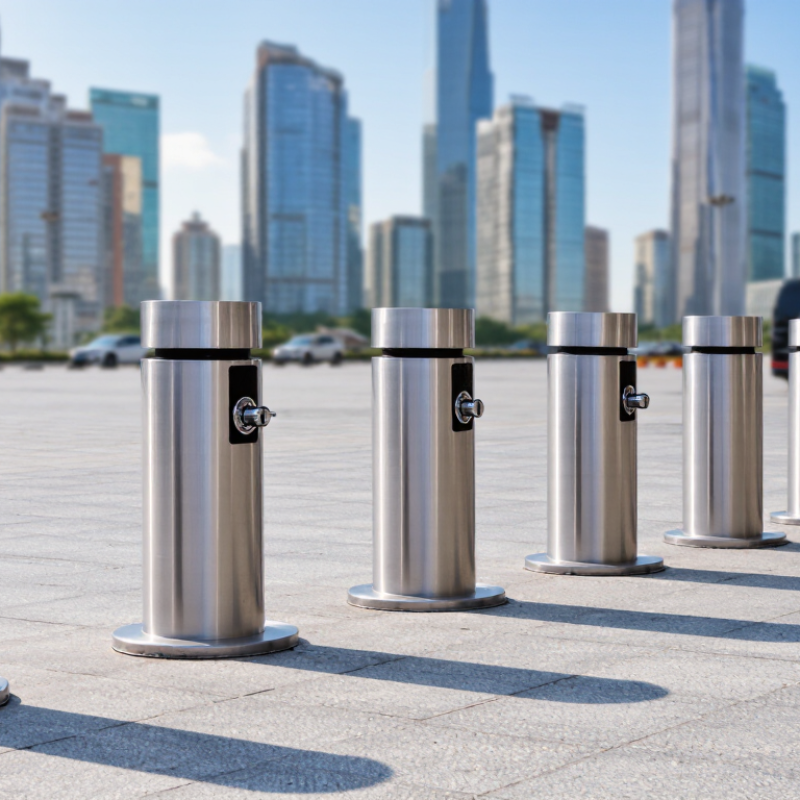
Who Are the Top 10 Locking Bollard Suppliers in China?

Understanding Locking Bollards and Their Applications

Locking bollards are posts that can be lowered, removed, or unlocked to control vehicle access. They help protect storefronts, loading bays, private parking spaces, and pedestrian areas. When raised, they create a visible physical barrier; when access is needed, authorized staff can release the lock. Some models use a key, while others use a built-in locking mechanism. Simple, but site conditions matter. A bollard’s appearance alone does not show how much impact it can withstand, so check its tested performance before relying on it for security.

Tips: Measure the clear opening and check vehicle turning space before installation. Look for reflective bands in dim areas. Ask how the lock handles rain, dust, and frequent use.

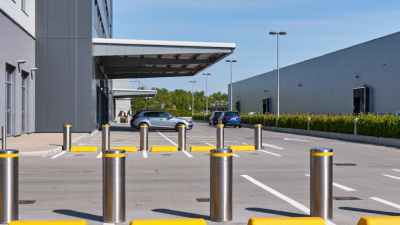
For daily use, consider who will operate the bollard and how often vehicles need to pass. A busy service entrance may benefit from a quick-release design, while a rarely used boundary may suit a removable post. Check the foundation, drainage, and surrounding pavement as well. Standing water or grit can make a lock harder to operate, especially after cold weather. A practical choice balances access, visibility, maintenance, and the level of protection the site actually needs.
How to Evaluate Locking Bollard Suppliers in China

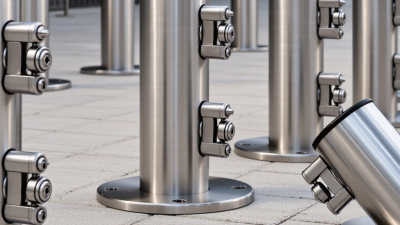
When comparing locking bollard suppliers in China, look beyond catalog photos and quoted prices. Ask for dimensioned drawings showing tube diameter, wall thickness, base plate, anchor layout, and lock position. Confirm the material grade and surface treatment in writing; “stainless steel” alone is not enough. Small details matter.

A capable supplier should explain how each model is tested. Request records for lock-cycle checks, key operation, corrosion protection, and load tests relevant to your site. Match test conditions to intended use; a number without a method tells little. Ask whether you can inspect a sample before production, including the removable post’s fit and how smoothly the key turns. Keep one sample as a reference.

Check manufacturing consistency, not just a polished prototype. Ask for inspection photos, batch traceability, packaging details, spare-key policies, warranty terms, and realistic lead times. Clear answers beat confident promises. If replies avoid specifics, treat that as a warning. Supplier comparisons are rarely perfect: drawings may omit a tolerance, and sample finishes can differ slightly from bulk goods. Record open questions, agree on acceptance criteria, and verify them before shipment. That extra step may prevent costly surprises.

Top 10 Locking Bollard Suppliers in China

Top 10 Locking Bollard Suppliers in China

Finding the right option among China’s locking bollard suppliers takes more than comparing prices. A useful shortlist should include manufacturers that clearly state bollard height, steel grade, surface finish, locking mechanism, and installation requirements. Ask for drawings and product data sheets, not just a polished catalog. A bollard that looks sturdy in a photograph may not suit a narrow driveway or frequent vehicle access.

Check how suppliers handle samples, custom dimensions, spare keys, and replacement parts. Request recent production photos and confirm that the quoted model matches the sample. Response quality matters, too: precise answers about installation depth or drainage can reveal stronger technical support. Still, no ranking stays reliable without checking current stock and export experience. I would verify claims directly; this step is easy to overlook.

Tips: Compare the same specifications across suppliers. Ask about packaging, lead time, and warranty terms. Keep the answers in writing. A lower quote can leave out essential fittings. Be cautious when details remain vague.

Comparing Supplier Products, Quality, and Services

When comparing China’s locking bollard suppliers, look beyond price and catalog photos. Check fixed, removable, and automatic models against the site’s traffic, pavement, and access needs. Ask for drawings, material grades, corrosion protection, lock details, and independently verifiable test records. MarketsandMarkets’ 2023 Perimeter Security Market report estimated the market at US$73.2 billion in 2023, with projected growth to US$116.3 billion by 2028. That wider market trend makes careful product validation more important; it does not prove any individual bollard meets a project’s requirements.

Quality shows up in details. Request coating thickness and weld inspection criteria, plus sample test reports for impact or cycle performance where relevant. Compare warranty coverage, spare-part availability, production lead time, and how quickly technical questions receive clear answers. A low quote can hide thinner steel or limited after-sales support. Yet a polished factory video proves little, too. I would verify samples and documents before placing a large order.

Tips: Ask suppliers to quote against the same specification. Photograph the delivered finish, measure key dimensions, and record acceptance checks. Confirm who handles replacement parts and installation guidance before shipment.

Choosing the Right Supplier for Your Project

Choosing a locking bollard supplier starts with the site, not the catalogue. Measure the clear opening, pavement depth, and vehicle approach angle. Ask whether the bollard is manual, semi-automatic, or powered, and what happens during a power interruption. A unit that looks robust in a showroom may be awkward beside a narrow driveway. Small details matter.

Request drawings, material specifications, surface-treatment details, and installation instructions before comparing prices. Check the locking cycle, access options, drainage provisions, and evidence behind resistance claims. Ask for examples of comparable installations, including photos of foundations and finished paving. Good answers are specific. Vague promises deserve a follow-up. Confirm who supplies anchors, wiring, and commissioning; these items can disappear between quotation and delivery.

Lead time matters, but so does support after the first winter. Ask how replacement locks, keys, seals, or control parts are obtained, and whether technical help is available in your time zone. Compare warranty exclusions in writing. A low quote can still be sensible when its scope matches your needs. We would not treat one impressive load figure as a complete decision. Real sites are less tidy than brochures, and some uncertainty remains.