How to Choose the Right Tugboat Fender for Your Needs?
Choosing the right Tugboat Fender is crucial for ensuring safety and efficiency in maritime operations. According to a market report by Grand View Research, the global tugboat fender market is expected to grow at a compound annual growth rate (CAGR) of 5.2% from 2022 to 2030. These statistics highlight the increasing demand for high-quality fender solutions in the marine industry.
Expert in marine fendering systems, Dr. James Thorpe, emphasizes that “the correct fender selection can prevent costly damage and enhance operational efficiency.” This statement underscores the need for careful consideration when choosing a Tugboat Fender. Various factors play a role, including vessel size, operational conditions, and frequency of use.
Many operators overlook the importance of tailored fender solutions. Failing to adapt to specific needs can lead to safety hazards and financial losses. Understanding the elements that influence fender selection is key. As the industry evolves, staying informed about technological advancements is more critical than ever. Selecting the right Tugboat Fender is a decision that should not be taken lightly.
Understanding the Importance of Tugboat Fenders in Maritime Operations
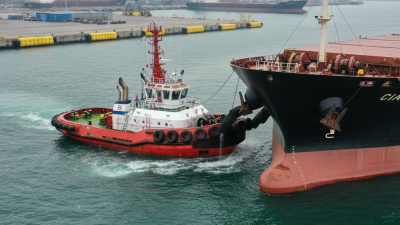
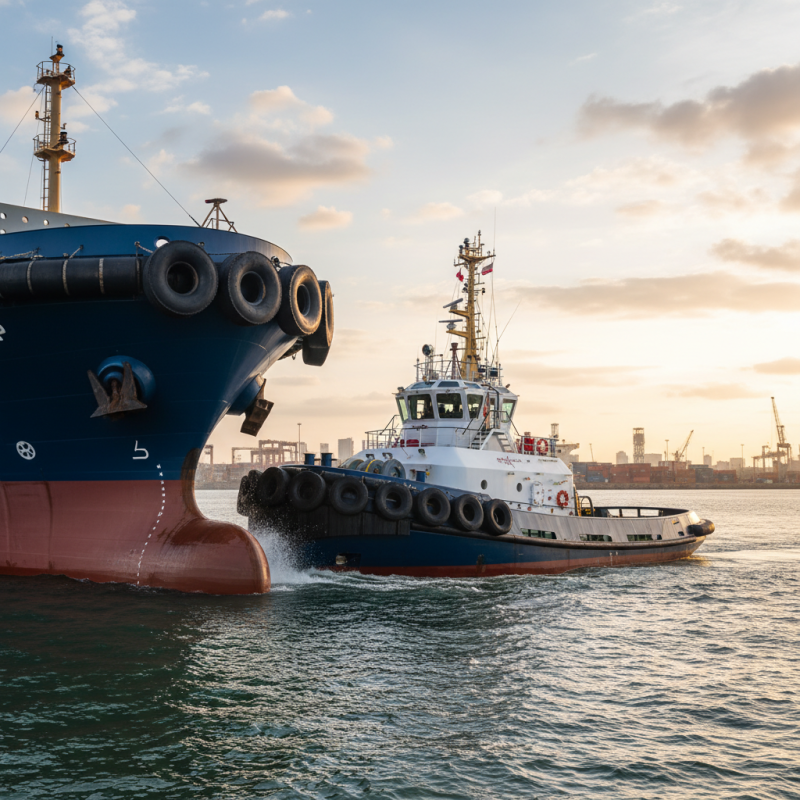
Tugboat fenders play a crucial role in maritime operations. These devices protect both the tugboat and the vessels it assists. They absorb impacts, reducing the risk of damage during docking or towing. Without proper fenders, the potential for costly repairs increases significantly. Understanding their importance is vital for any marine operation.
Selecting the right fender can be challenging. Factors like size, material, and buoyancy must be considered. Each operation has unique demands. For example, a fender used in a busy port may not be suitable for open waters. It’s essential to assess specific needs before making a decision. Regrettably, many overlook these factors, leading to mismatched equipment and accidents.
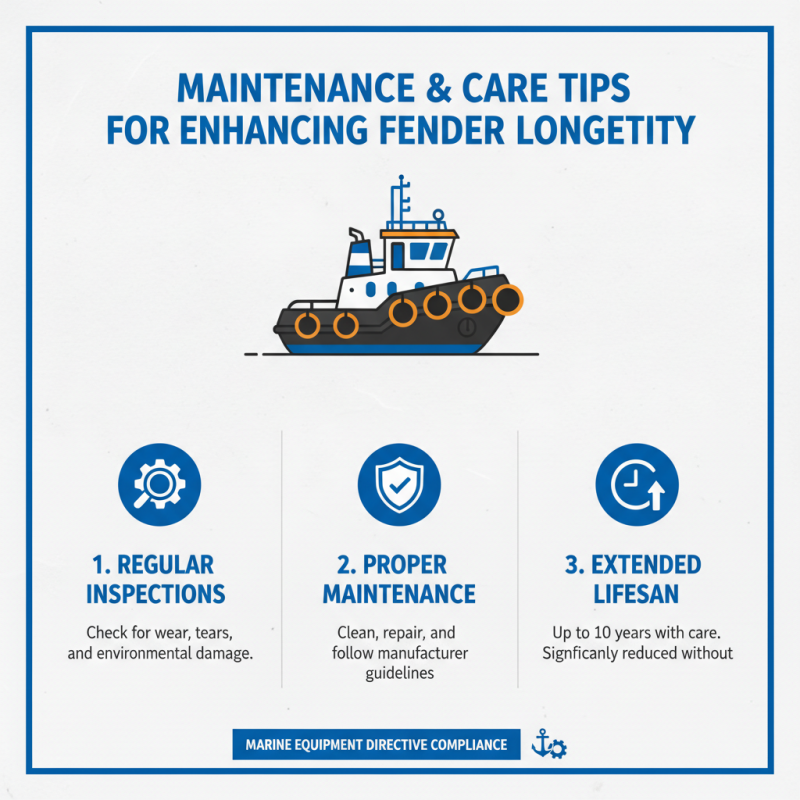
Regular inspection and maintenance of fenders are often neglected. Over time, wear and tear can reduce effectiveness. A fender may look fine on the outside but could be compromised internally. Ensuring reliability in these devices helps maintain safety on the water. Reflection on past experiences reveals the continuous need for proper assessments and upgrades in fender systems. This is critical for safe and effective maritime operations.
Key Factors to Consider When Selecting Tugboat Fenders
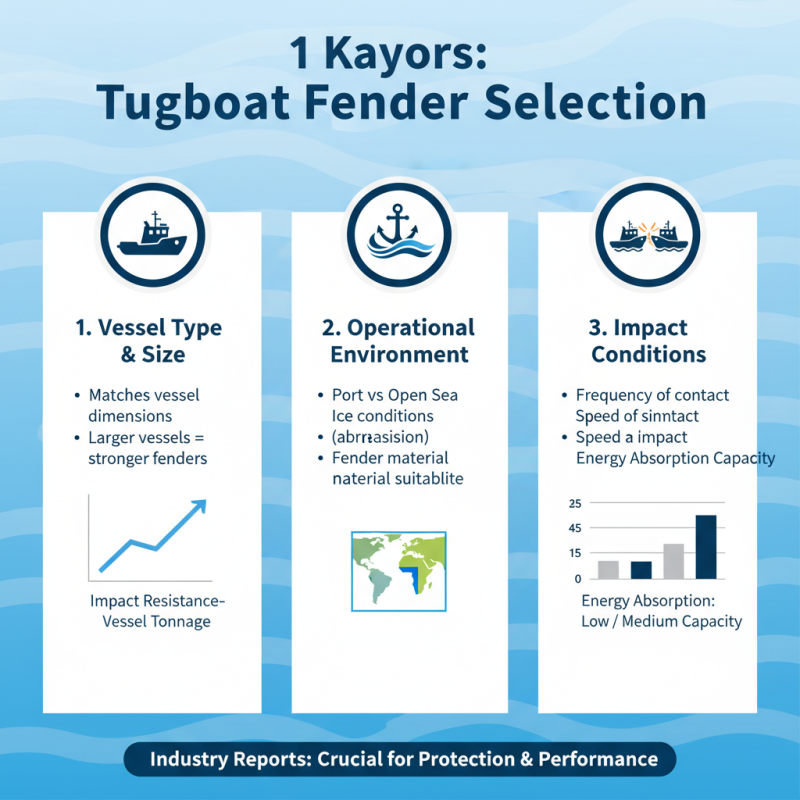
When selecting tugboat fenders, several key factors come into play. It is crucial to consider the type of vessel and its specific operational environment. According to industry reports, fender performance should match the vessel’s size and expected impact conditions. For example, larger vessels require fenders with greater compression resistance and higher energy absorption to protect against hard landings.
Material choice is another significant aspect. Synthetic rubber or composite materials can offer enhanced durability in harsh marine environments. The International Maritime Organization suggests that the right material can minimize maintenance costs by extending the fender's lifespan. Furthermore, compatibility with dock settings also plays a vital role in this selection process, as the fender must effectively absorb impacts without damaging the structure it protects.
Pay attention to the fender's shape and buoyancy. A well-designed fender should optimize contact points to reduce stress during docking. Reports indicate that poorly chosen fenders can lead to excessive wear on both the fender and the tugboat. Furthermore, an incorrect selection can result in safety hazards, leading to operational disruptions and financial losses. Hence, thorough research and expert consultations are invaluable in making an informed decision.
Types of Tugboat Fenders: Which One Suits Your Needs?
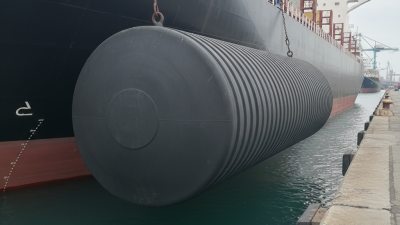
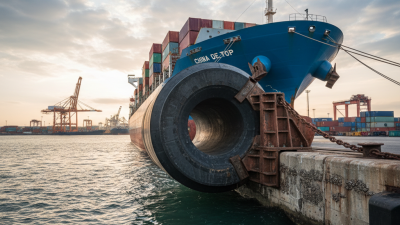
When selecting a tugboat fender, understanding the different types available is crucial. Common options include cylindrical fenders, flat fenders, and cone-shaped fenders. Each type offers distinct benefits based on width, height, and application. Cylindrical fenders are excellent for smooth contact but may offer less stability. Flat fenders provide better resistance against slippage, making them suitable for larger vessels. Cone-shaped fenders are great for absorbing impact, though they require specific installation methods.
Examine your tugboat needs carefully. The choice often depends on operational conditions like water depth and cargo weight. If you face strong currents, a robust, durable fender may be necessary. Soft fenders can shock absorb better, but they may wear out quickly in harsh environments. Options can be overwhelming. Consider consulting with professionals who have experience in marine operations. They can help identify the right fender type, based on real-world experience and specific operational demands. Choosing a fender isn't just about fit; it's about enhancing safety and efficiency during maneuvers. Every situation is unique, and the right advice can help navigate complexities.
How to Choose the Right Tugboat Fender for Your Needs? - Types of Tugboat Fenders: Which One Suits Your Needs?
| Fender Type |
Material |
Main Features |
Ideal Use |
Pros |
Cons |
| Inflatable Fender |
PVC or Rubber |
Lightweight, Adjustable Pressure |
Harbors, Marinas |
Easy to store, Minimal weight |
Can be punctured, Less durable |
| Foam Fender |
Polyethylene and Foam |
No Maintenance, High Energy Absorption |
Tugboats, Large Vessels |
Durable, Good for rough conditions |
Heavier than inflatable options |
| Solid Rubber Fender |
Natural or Synthetic Rubber |
Compression Resistance, Durable |
Industrial Ports, Docking |
Long Service Life, Robust |
Heavy, More expensive |
| D-Shape Fender |
Rubber |
High Energy Absorption, Versatile |
Multi-Purpose Use |
Flexible installation options |
Needs regular inspection |
| Cone Fender |
Rubber with Steel Frame |
Maximum Energy Absorption |
Heavy Industry, Ship Berthing |
Highly effective, durable |
Costs more, requires sturdy installation |
Determining the Right Size and Material for Tugboat Fenders
Choosing the right size and material for tugboat fenders is crucial. It affects safety and performance during operations. When determining the size, assess the type of vessel it will protect. Larger boats often require bigger fenders for adequate protection. Conversely, smaller tugboats can effectively use compact fenders.
Material selection also plays a vital role. Common materials include rubber and foam. Rubber offers durability and resistance to wear and tear. Foam, while lighter, may not provide the same level of protection. Choose materials based on your operational environment. For example, harsh weather conditions may require tougher fendering solutions.
Tips: Always consult with experienced professionals when selecting fenders. They can provide valuable insights based on your specific needs. Regularly inspect your fenders for signs of damage. It’s an often-overlooked part of maintenance. Additionally, consider the compatibility of your fenders with various docking setups. The right fit ensures better performance and longevity.