Top 10 Warehouse Bollards You Need for Global Shipping?
In the world of global shipping, safety and efficiency are paramount. Warehouse bollards play a crucial role in achieving both. These protective barriers safeguard not only your assets but also the personnel working in busy environments. They can be found in various designs and materials, each tailored to meet specific needs. Choosing the right bollard is essential for optimal protection.
Warehouse bollards come in different heights, styles, and functions. Some are designed to withstand high-impact collisions, while others serve as simple visual markers. Each type has its advantages and limitations. With numerous options available, selecting the perfect bollard can be challenging. It requires careful consideration of your warehouse's unique layout and operational demands.
Investing in the right warehouse bollards can enhance overall safety. However, not every bollard is a one-size-fits-all solution. Businesses must reflect on their specific requirements and the environment they operate in. This decision-making process is critical. After all, safety is non-negotiable in the shipping industry, and the right warehouse bollard can make all the difference.

Understanding the Importance of Warehouse Bollards in Shipping
Warehouse bollards play a crucial role in global shipping logistics. They serve as protective barriers that safeguard both personnel and equipment. In busy shipping environments, the risk of accidents increases. Bollards help mitigate these risks by directing vehicle traffic and protecting important warehouse structures.
Proper placement of bollards can prevent costly damage. Inadequate protection may lead to accidents that halt operations. Shipping timelines are essential, and any delays can have significant financial implications. Bollards also provide a clear visual guide for drivers, enhancing safety. Employees feel safer knowing that there are protective measures in place.
However, not all installations meet safety standards. Regular inspections are vital to ensure that bollards remain effective. Weather, wear, and accidental impacts can compromise their integrity. It is important to assess whether bollards are appropriately anchored and free from damage. This ongoing evaluation is often overlooked but essential in maintaining a safe shipping environment.
Types of Warehouse Bollards Commonly Used in Global Shipping
Warehouse bollards are essential in global shipping environments. They provide critical protection for infrastructure and personnel. Different types of bollards are commonly used, each serving distinct purposes.
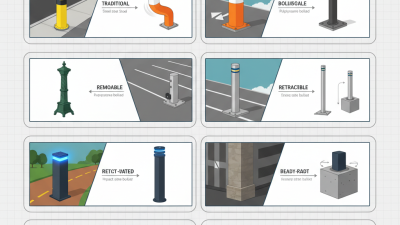
One prevalent type is the heavy-duty steel bollard. These bollards can withstand significant impact. They are ideal for areas with heavy machinery traffic. In contrast, plastic bollards offer flexibility. They are lightweight and often used in pedestrian zones. Visual appeal is critical, and painted or illuminated bollards enhance visibility.
Another variation is the removable bollard. These are useful for spaces needing temporary traffic control. Users can easily install or extract them based on operational needs. However, some may overlook the importance of maintenance. Regular inspections are necessary to ensure effectiveness. Addressing wear and rust can significantly extend lifespan. The choice of the right bollard type ultimately hinges on specific needs and site conditions. Awareness of these factors can improve safety in bustling shipping environments.
Key Features to Consider When Choosing Warehouse Bollards
When selecting warehouse bollards, it's crucial to prioritize safety and functionality. Look for robust materials like steel or reinforced plastic that can withstand impact. Heavy-duty options are essential for high-traffic areas, ensuring they absorb shocks effectively. Consider the bollard height as well; taller ones can provide more visibility and deterrence.
Color and visibility also matter. Bright colors enhance awareness, making it easier for workers and drivers to navigate. Reflective patterns can increase safety during low light conditions. Additionally, assess installation configurations. Some bollards come with removable features for flexibility during loading operations.
While it's easy to focus solely on durability, aesthetics shouldn’t be overlooked. A professional appearance can elevate the overall look of any warehouse. However, balancing visual appeal with functionality is an ongoing challenge. Frequent assessment of placement and visibility is necessary to adapt to changing needs. Each selection must be a harmonious blend of safety, style, and practicality.
Top Brands and Models of Warehouse Bollards Reviewed
When it comes to enhancing safety in warehouses, choosing the right bollard is essential. They protect structures and personnel from vehicle impacts, making them a crucial addition to any shipping facility. Various options are available, each offering distinct features tailored for specific needs. Common materials include steel and plastic, with designs focusing on durability and visibility.
Several leading models stand out in the market. Heavy-duty steel bollards, for instance, provide an impressive level of impact resistance. Their reflective coatings also ensure they are seen, even in low light. Some designs are even collapsible, offering flexibility for changing operational needs. In contrast, lighter, plastic bollards serve well in less demanding areas. Their ease of installation makes them popular in various environments.
While the choice often appears straightforward, selecting the wrong model can pose risks. A bollard that is too weak won’t offer sufficient protection. Conversely, an overly robust design in a minor zone may hinder operations. This balance of strength and usability needs thorough consideration. Engaging with professionals can help navigate these options effectively.
Top 10 Warehouse Bollards for Global Shipping
Best Practices for Installation and Maintenance of Warehouse Bollards
Proper installation and maintenance of warehouse bollards is crucial for safety and efficiency. Start by selecting the right type of bollard for your facility. They should be durable and highly visible. Using concrete or steel prevents damage over time. Ensure they are properly anchored to withstand impacts from machinery.
Maintenance involves regular inspections. Look for any signs of wear, rust, or damage. A quick touch-up of paint can restore visibility and protection. If a bollard is damaged, replace it immediately. It is essential to maintain an unobstructed view to keep employees safe.
Tip: Keep a maintenance log. This will help track inspections and repairs.
Tip: Use high-visibility colors to enhance awareness. This simple change can reduce accidents significantly.
Being proactive about bollard care can lead to fewer incidents. Ensure everyone follows the established safety practices. Regular training can help reinforce these important measures.