7 Best Cylinder Fenders for Ships and Ports
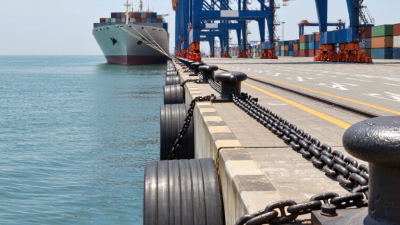
A Cylinder Fender may look simple on a dock: a vertical rubber body, a steel chain, and a vessel easing toward the quay. Its job is less simple. It must absorb berthing energy, limit contact pressure, and remain dependable through repeated impacts, salt spray, and changing water levels. Small design choices matter. Diameter, rubber compound, mounting method, and maintenance access can all affect performance. No single model suits every berth.
This guide compares seven cylinder fenders for ships and ports, focusing on practical selection rather than claims of universal superiority. For transparency, the following quotation is an original editorial principle, not a verified statement by a named industry professional: “Choose for the berth’s real loads, not for appearance alone.” A qualified port or fender engineer should confirm project-specific calculations and installation details. That check is worth making. A fender that looks robust may still be poorly matched to vessel approach speed, hull shape, or available fixing points. The comparison ahead considers these trade-offs, plus durability, service needs, and typical use. Some details remain uncertain without site data; that is a useful reminder, not a flaw to hide.
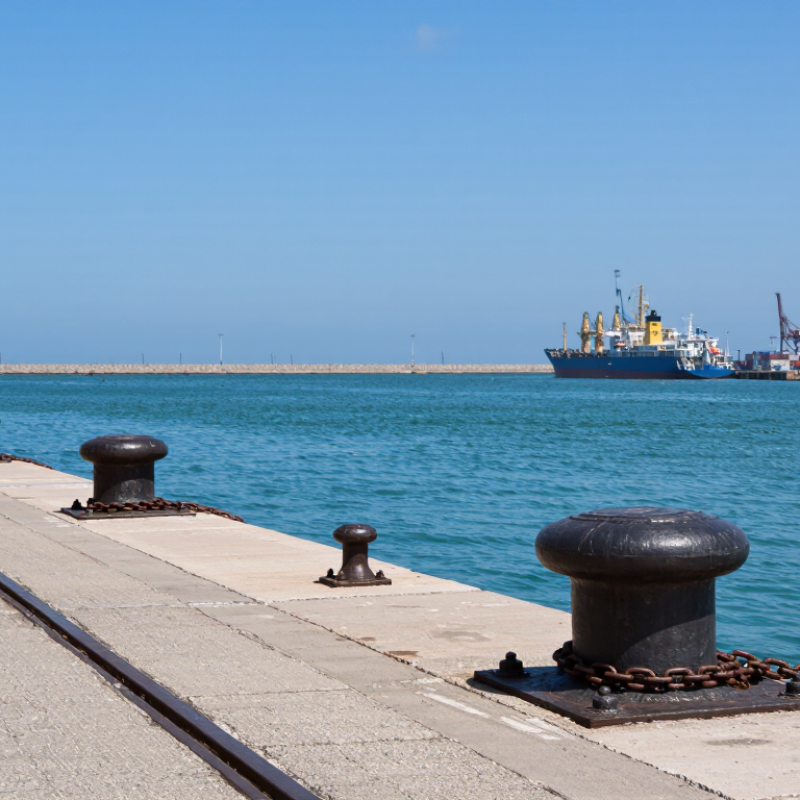
Understanding Cylinder Fenders and Their Role in Marine Berthing
Cylinder fenders are straightforward rubber units, often mounted vertically along quay walls, dolphins, or vessel sides. Their curved profile gives a ship a forgiving contact surface during approach. On a working quay, that can mean the difference between rubber meeting steel and a hard hull strike. They also tolerate repeated contact, though performance depends on the fender’s dimensions, rubber compound, mounting, and condition. A worn unit may look serviceable from the dock. It may not absorb energy as expected.
Fender selection should start with the vessel’s berthing energy, not appearance alone. PIANC’s MarCom Working Group 33, in its 2002 Fender Guidelines, calculates this using one-half mass times velocity squared, adjusted for factors such as added water mass, berthing angle, and hull softness. Small changes in approach speed matter: because velocity is squared, doubling speed multiplies the unadjusted kinetic energy by four. That is a useful design check. It is not a substitute for site-specific engineering. Cylinder fenders can suit berths with modest energy demands and limited space, but their reaction force and deflection must match the quay structure and vessel. Measurements on site matter; drawings alone can miss uneven wall faces, tide range, or a protruding fitting. One weak point: operators may treat fenders as maintenance-free. Regular inspection is essential.
Cylinder Fenders and Berthing Energy
Relative kinetic energy rises with the square of a vessel’s approach speed, highlighting why suitable fender selection and controlled berthing speed matter in ports.
Illustrative calculation for the same vessel mass: relative kinetic energy is proportional to speed squared (E = ½mv²), normalized to 1 at 0.1 m/s. Actual berthing energy also depends on factors such as vessel mass, berthing angle, and hydrodynamic effects.
Key Performance Factors for Comparing Cylinder Fenders
Key Performance Factors for Comparing Cylinder Fenders
A cylinder fender must absorb berthing energy without creating excessive force on the vessel or quay. PIANC’s 2002 WG33 guidelines use effective vessel mass and berthing velocity to assess that energy. Velocity matters sharply: doubling approach speed makes kinetic energy four times higher. A few centimetres per second can change the design case.
Compare energy absorption and reaction force together. A high absorption rating is not enough if the fender pushes too hard against a thin hull. Check the manufacturer’s test curve for the specified compression, not just a headline capacity. PIANC also highlights contact geometry and berthing conditions; oblique contact can change how loads spread along the cylinder. Look closely at mounting points. They take real strain.
Durability matters at the waterline, where abrasion, sunlight, and repeated compression meet. Review rubber formulation, reinforcement, end fittings, and inspection access. ISO 17357-1:2014 sets performance requirements for pneumatic fenders, so it should not be treated as a cylinder-fender rating; still, it illustrates why test conditions must match the product. A tidy calculation can miss a rough quay edge. Site measurements and maintenance records help check the assumptions.
Seven Cylinder Fender Options for Ships and Ports
UNCTAD’s Review of Maritime Transport 2024 reports that over 80% of global trade by volume moves by sea.
At busy berths, a well-chosen cylinder fender helps manage routine vessel contact, but size alone does not determine performance. PIANC’s Guidelines for the Design of Fender Systems emphasizes assessing vessel energy, berthing conditions, and berth geometry.
Seven practical options suit different layouts:
- a small-diameter solid cylinder for light craft;
- a larger-diameter unit for greater contact energy;
- a long vertical fender for changing tides;
- a horizontal installation for a steadier waterline;
- chain-protected cylinders for harsher contact;
- spaced cylinders for local protection along a quay;
- and replaceable sections where maintenance access matters.
Small details matter.
Check the vessel’s approach angle, hull shape, and the available clearance before choosing. A fender that is too short may leave the hull exposed at low tide. One that is too large can interfere with ladders or mooring hardware. Installation also changes behavior: confirm end restraints, mounting strength, and expected compression with a qualified marine engineer. That is not minor. Port teams should compare manufacturer test data with the site’s design conditions, then inspect for wear, cracking, or loose fittings. A tidy specification can still miss real berthing habits, so recorded operating experience deserves a place in the final selection.
Installation and Maintenance Requirements for Cylinder Fenders
Installation quality determines how well a cylinder fender absorbs repeated contact. Before work begins, confirm the fender’s dimensions, mounting arrangement, and expected vessel contact points against the project drawings. Check that the supporting quay structure can carry the intended loads. Small errors matter. A fender mounted too high may miss the hull’s usual contact zone.
Use the specified chains, brackets, or bolts, and inspect each component for damage before installation. Keep the fender aligned with the berth face, with enough clearance to move without rubbing against sharp edges. Tighten fasteners to the approved specification rather than guessing by feel. That detail is easy to rush, especially during a busy installation. It should not be.
Maintenance should include regular visual checks and closer inspections after heavy impacts. Look for cuts, flattening, unusual gaps, loose hardware, corrosion, and chain wear. Record what you find, including the date and fender location, so changes are easier to track. Replace damaged parts with components that match the approved design. Not every mark signals failure, but a deep split or displaced mounting deserves prompt attention; inspection intervals should reflect local traffic, weather, and operating experience; a fixed schedule can miss what the berth is actually showing.
Selecting a Cylinder Fender for Different Vessels and Berths
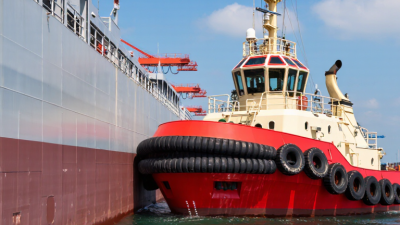
Selecting a cylinder fender starts with the vessel, not the catalog. A tug, ferry, and loaded cargo ship meet a berth with different mass, hull shapes, and approach speeds. Check the vessel’s displacement and likely berthing energy, then compare them with the fender’s rated performance. Details matter. A narrow hull may create concentrated contact, while a broad, rounded bow can spread the load.
Berth conditions matter just as much. Measure the tidal range, water depth, wall height, and clearance for the vessel at low and high water. On a quay with uneven concrete, a longer cylinder may offer a more forgiving contact area. At a pile berth, confirm that the fixing arrangement allows the fender to move as intended. A poorly positioned fender can leave steel edges exposed.
Material and upkeep influence the choice over time. Inspect for cuts, hardening, distortion, and loose chains or supports; salt, sunlight, and repeated compression all leave clues. For busy berths, consider how quickly a damaged unit can be replaced. Not every berth is neat. A calculation can guide selection, but it may miss unusual vessel angles or rough approach habits. Have a qualified marine engineer verify the design against actual operating conditions.
7 Best Cylinder Fenders for Ships and Ports – Selecting a Cylinder Fender for Different Vessels and Berths
The options below are practical application categories, not performance rankings. Diameter bands are indicative starting points; cylinder-fender dimensions and rubber properties vary by design and supplier.
| Cylinder Fender Option |
Indicative Diameter Band |
Typical Vessel or Berth |
Common Installation |
Selection Considerations |
| Compact cylinder fender |
100–200 mm |
Small craft, service boats, and light-duty landing stages |
Short lengths mounted vertically or horizontally on a quay face |
Useful where space is limited. Check the contact area and vessel freeboard across the expected tide range. |
| Small-vessel berth fender |
200–300 mm |
Workboats, pilot boats, and small coastal vessels |
Vertical runs or spaced sections on quay walls and floating structures |
Allow for repeated low-speed contact and confirm that the fender arrangement protects the hull at likely contact points. |
| General-purpose quay fender |
300–500 mm |
General cargo berths, service berths, and mixed-use waterfronts |
Vertical installation, often with chains or retaining hardware |
A versatile starting category; verify berthing energy, allowable hull pressure, and the supporting structure. |
| Heavy-duty berth fender |
500–700 mm |
Larger cargo vessels and exposed berths with greater berthing demands |
Long vertical sections or engineered arrays on a quay face |
Performance cannot be determined from diameter alone. Check rated energy absorption, reaction force, and deflection for the selected design. |
| Large-ship quay fender |
700–1,000 mm |
Large-vessel berths where a cylindrical profile suits the contact arrangement |
Project-specific lengths and mounting details on a reinforced berth face |
Assess vessel displacement, approach velocity, berthing angle, tide range, and the quay’s capacity for transmitted loads. |
| Continuous face-protection arrangement |
Selected to suit the berth and hull contact zone |
Berths with frequent vessel movements or changing contact locations |
Multiple cylinder sections distributed along the berth face |
Plan section spacing and end coverage to avoid unprotected gaps; inspect fixing points and wear regularly. |
| Guided or chain-retained cylinder fender |
Selected to suit vessel size and mounting geometry |
Working berths, dolphins, and locations where fender retention is important |
Fender sections secured or guided with compatible chains and fittings |
Check chain loads, corrosion protection, attachment details, and whether the arrangement permits movement without jamming. |