Best China Cell Rubber Fender Manufacturer Supplier?
Choosing the Best China Cell Rubber Fender Manufacturer Supplier requires more than comparing prices or browsing polished factory photographs. It demands practical marine knowledge, documented testing, and honest communication about operating conditions.
Cell Rubber Fender performance depends on vessel energy, berthing speed, panel dimensions, tidal movement, temperature, and installation accuracy. An experienced supplier should review berth drawings, vessel data, reaction force limits, and maintenance expectations before recommending a model. In my view, marine fender engineer Dr. Harry R. T. Thomas states it clearly: “A fender is not merely rubber; it is a controlled energy-absorption system.”
That principle matters.
A dependable Chinese manufacturer should provide material specifications, production records, inspection reports, and clear performance data. Look for evidence of compound consistency, dimensional control, compression testing, and reliable steel flange fabrication. Factory experience also shows in small details, such as clean mould surfaces, protected bolt holes, and carefully packaged rubber during shipment.
However, no supplier is perfect. Some catalogues simplify real berth conditions. Some buyers also focus too heavily on initial cost. That can become an expensive mistake when excessive reaction force damages a vessel or quay structure.
The strongest supplier combines engineering support with transparent commercial service. Ask for project references, drawings, delivery schedules, warranty terms, and after-sales procedures. Independent inspection may also be worthwhile for critical ports.
This article examines how to identify a capable China-based Cell Rubber Fender manufacturer, evaluate technical credibility, and avoid decisions based only on attractive quotations. The final choice should fit the berth, not merely the brochure.
What Is a Cell Rubber Fender and Where Is It Used?
Best China Cell Rubber Fender Manufacturer Supplier?
What Is a Cell Rubber Fender and Where Is It Used?
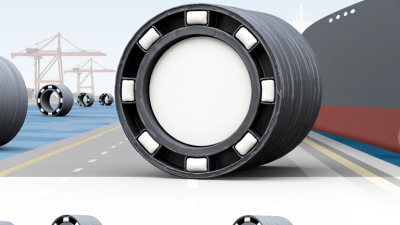
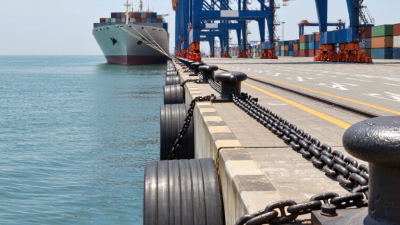
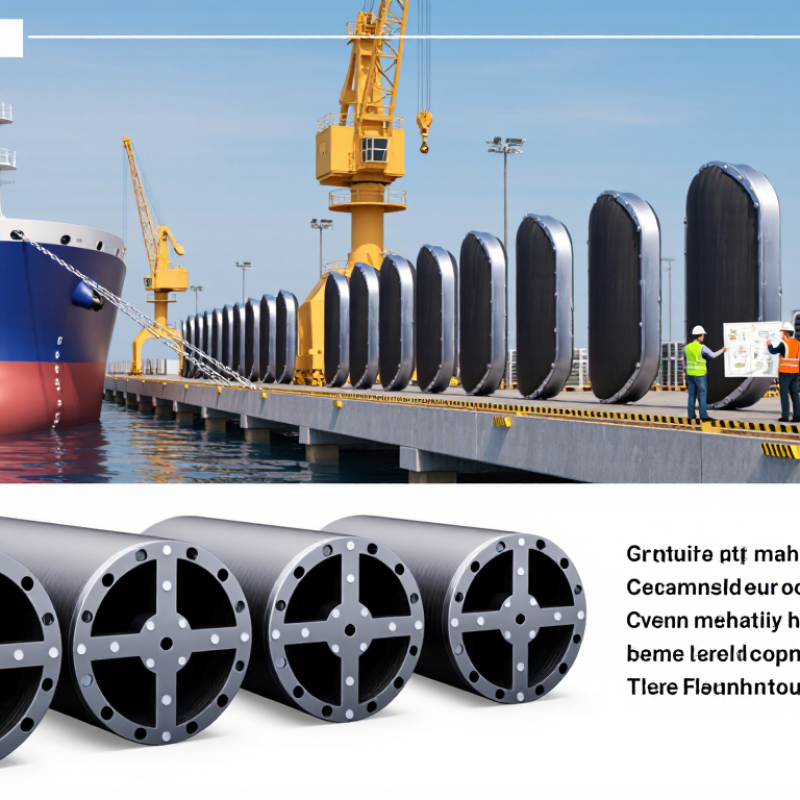
A cell rubber fender is a molded, hollow rubber cylinder. It absorbs berthing energy through controlled compression. Its wide base spreads load across a quay wall, while the front face supports a sliding panel or frame. This design suits container terminals, bulk ports, ferry berths, and offshore structures. UNCTAD’s Review of Maritime Transport 2023 reports that ships carry over 80% of global merchandise trade by volume. Reliable berthing protection therefore matters at busy, repetitive-use facilities.
PIANC fender-design guidance recommends checking energy absorption, reaction force, vessel approach speed, contact angle, temperature, and aging. A common design practice evaluates performance near 50% compression, but actual limits depend on the tested product and installation. Higher compression may increase reaction force quickly. That can damage concrete or hull coatings. Port engineers should request certified test curves, rubber compound details, dimensional tolerances, and fatigue evidence. ISO 17357:2014 also provides testing guidance for floating pneumatic rubber fenders, although it does not replace cell-fender-specific verification. The distinction is often overlooked.
Tips: Measure the actual berthing energy, not only vessel size. Inspect anchor bolts, sliding surfaces, and front panels regularly. Keep records of compression, cracking, and permanent deformation. Small defects grow quietly. A supplier should provide traceable test reports and installation drawings. In practice, site conditions may differ from calculations, so field feedback deserves more attention than a perfect spreadsheet.
How to Evaluate Cell Rubber Fender Quality and Performance
Evaluating a cell rubber fender begins with working data, not a glossy product photograph. Ask the manufacturer for rated energy absorption, reaction force, compression range, and allowable deflection. These values should match your berth design and vessel conditions. A fender that looks strong may still perform poorly under repeated loads.
Inspect the rubber compound and steel flange carefully. Consistent hardness, fine surface texture, and clean edges indicate controlled production. Test reports should cover tensile strength, elongation, hardness, and aging resistance. Check the flange thickness, bolt-hole accuracy, and rubber-to-steel bonding. Small gaps or uneven bonding can become serious weaknesses in marine service. Request batch records, inspection photographs, and traceable material certificates from the supplier.
Practical verification matters.
Ask how samples were tested, including temperature, loading speed, and compression measurement. Compare the test method with recognized marine engineering standards. A factory audit can reveal storage problems, inaccurate molds, or rushed finishing work. Installation drawings should show bolts, washers, anchors, and contact surfaces clearly. Do not rely only on certificates; documents can be correct while production varies between batches. I have found that simple dimensional checks often expose issues earlier than complex reports. Still, no inspection method is perfect. Review operating conditions with an independent engineer when vessel impact is severe or unusual. A dependable China supplier should answer technical questions directly and provide consistent evidence, not vague promises.
Key Factors in Selecting a Reliable China Manufacturer
Choosing a reliable China cell rubber fender manufacturer requires more than comparing quotations. Start by checking production experience, engineering capability, and actual project records. Ask for drawings, material specifications, and photographs of completed marine installations. A dependable supplier should explain how the fender handles compression, shear, abrasion, saltwater, and repeated berthing impacts.
Factory verification matters. Review the mixing process, molding equipment, dimensional controls, and testing procedures. Request test reports for rubber hardness, tensile strength, energy absorption, and reaction force. Confirm that each batch has traceable records. Samples should be inspected for cracks, uneven surfaces, poor bonding, or inaccurate dimensions. Small defects can become expensive failures.
Communication reveals technical maturity. The manufacturer should ask about vessel size, berthing speed, tide range, quay structure, and installation conditions before recommending a model. Avoid suppliers that offer one standard design for every port. Delivery planning also deserves attention. Check packaging, inspection points, spare parts, installation guidance, and response time for technical questions.
Be careful with unusually low prices. They may reflect cheaper compounds, thinner steel components, or incomplete testing. No supplier is perfect. However, a trustworthy manufacturer openly discusses limitations and corrective actions. Independent inspection can reduce uncertainty before shipment. It is worth the cost. A written contract should define drawings, tolerances, test methods, warranty terms, and acceptance criteria. This practical detail often separates a reliable partner from a seller with attractive promises.
Best China Cell Rubber Fender Manufacturer Supplier? Key Factors in Selecting a Reliable China Manufacturer
Illustrative procurement weighting for evaluating a reliable cell rubber fender manufacturer. Technical performance, quality control, and compliance receive the highest priority because they directly affect fender safety, service life, and installation reliability.