
How is the pressure resistance of conical rubber fenders?
Overview of Cone Rubber Fenders
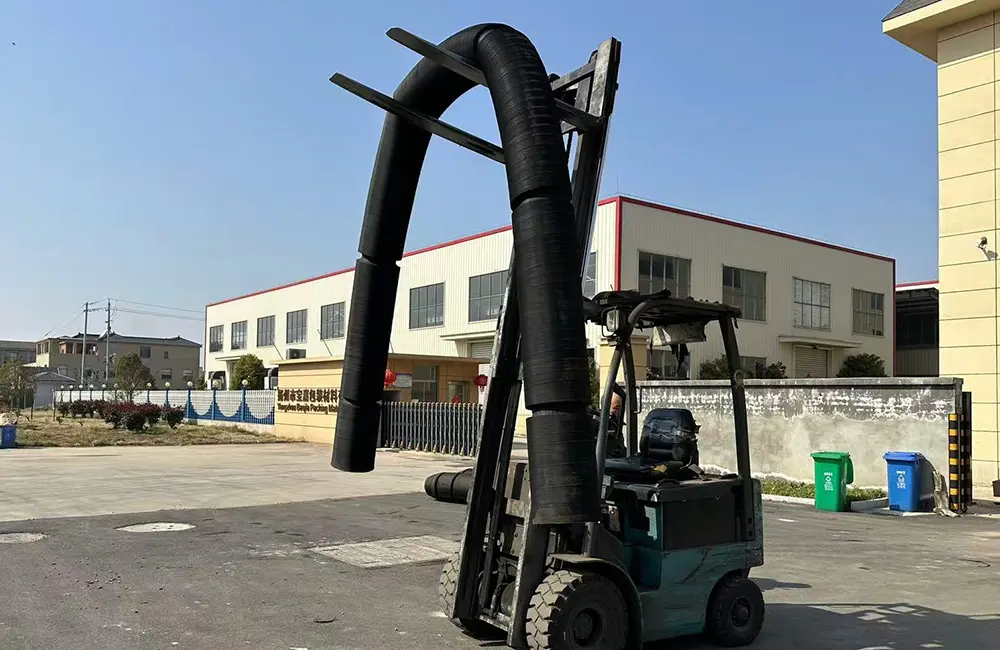
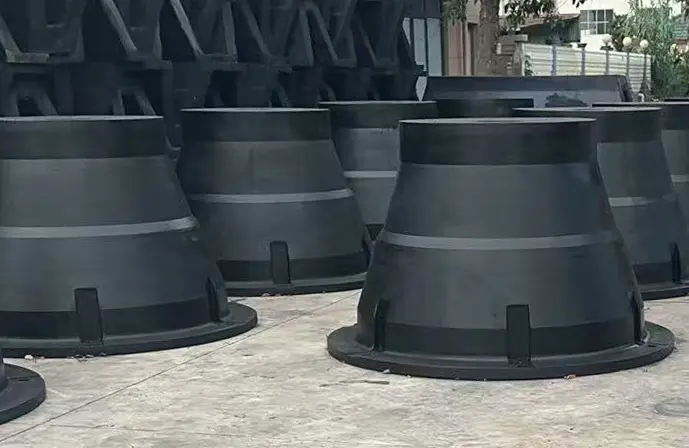
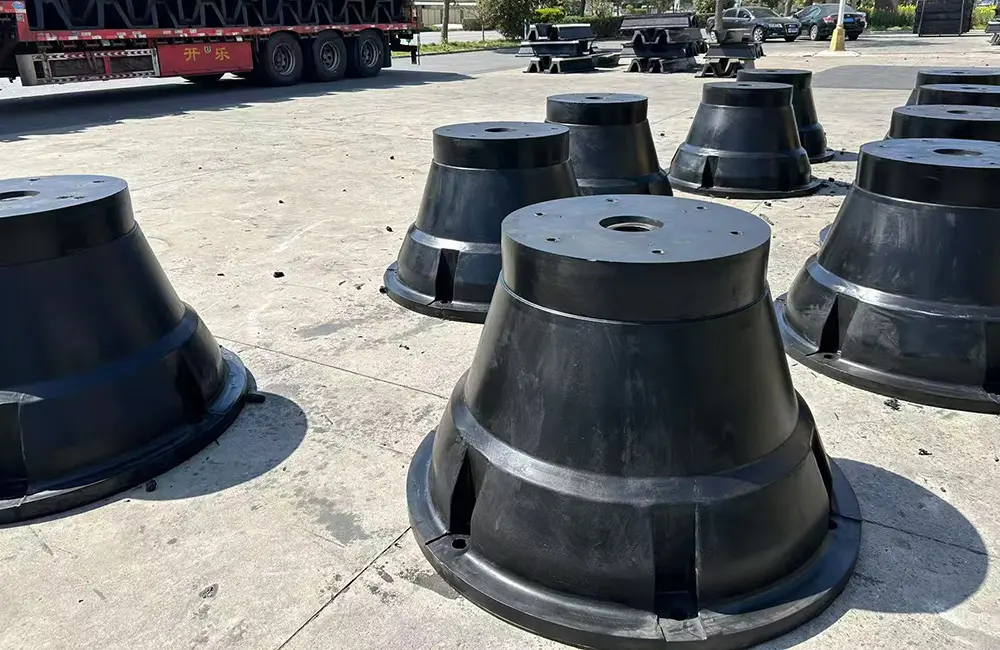
Cone shaped rubber fender is a protective device widely used in ports, docks, ships, and other fields. It is mainly used to absorb the impact energy during ship berthing and protect ships and dock structures from damage. Its unique conical design makes it outstanding in terms of pressure resistance, energy absorption, and durability, making it an indispensable safety protection equipment in modern port facilities.
Cone shaped rubber fenders are made of high-strength rubber materials and typically contain multiple layers of reinforcing materials such as nylon or steel cord to enhance their structural strength and compressive strength. This structural design enables the fender to effectively deform, absorb and disperse impact energy when subjected to ship impacts, while maintaining its own structural integrity.
The pressure resistance characteristics of conical rubber fenders
1. The influence of structural design on pressure resistance performance
The pressure resistance of conical rubber fenders is primarily attributed to their unique geometric design. The conical structure can achieve progressive deformation under compression, gradually expanding from the beginning to the base. This deformation method can effectively disperse pressure and avoid local stress concentration. Compared to traditional cylindrical fenders, the conical design can withstand greater pressure with the same amount of material used.
The inclined side of a conical fender generates a horizontal force when subjected to compression, which helps to convert some vertical pressure into horizontal tension, thereby reducing the vertical pressure load. This mechanical property enables conical fenders to perform well in withstanding impacts from large tonnage vessels, effectively preventing the fenders from being crushed or undergoing sexual deformation.
2. Contribution of material properties to pressure resistance
The choice of rubber material directly affects the pressure resistance performance of conical fenders. High quality natural rubber or synthetic rubber has excellent elastic recovery ability, which can quickly restore its original state after compression deformation. This characteristic is crucial for fenders that frequently withstand impacts. The hardness of rubber is usually between 50-80 Shore A, and rubber with moderate hardness can provide sufficient rigidity to resist pressure while maintaining necessary flexibility to absorb impact.
The reinforcement layer structure inside the fender significantly improves its pressure resistance. Multi layer nylon curtains or steel wire curtains are arranged at specific angles to form a mesh reinforcement structure, which can effectively limit the excessive deformation of rubber under high pressure and prevent the rupture of fenders. The density and arrangement of the reinforcement layer have been carefully designed to ensure structural stability of the hull under pressure in different directions.
3. Energy absorption and pressure distribution
The pressure resistance of conical rubber fenders is also reflected in their excellent energy absorption capacity. When a ship collides with a fender, the fender converts kinetic energy into potential energy through elastic deformation and slowly releases it. This energy conversion process greatly reduces the impact force transmitted to the dock structure. Test data shows that the energy absorption rate of high-quality conical rubber fenders can reach 60-70%, far higher than many other types of fenders.
The uniformity of pressure distribution is another major advantage of conical fenders. Due to its conical structure, pressure can naturally disperse when transmitted to the base, avoiding the common edge stress concentration problem of traditional fenders. This uniform pressure distribution not only improves the pressure resistance limit of the fender, but also extends its service life and reduces early damage caused by local overload.
Factors affecting the pressure resistance performance of conical rubber fenders
1. The impact of environmental factors
Temperature changes can significantly affect the mechanical properties of rubber, thereby affecting the pressure resistance of fenders. At low temperatures, rubber will become harder and brittle, with reduced elasticity and decreased pressure resistance; At high temperatures, rubber may become soft and lack rigidity, which can also affect its pressure resistance performance. Therefore, the conical rubber fenders used in different climatic regions need to adjust the rubber formula according to local temperature conditions.
Environmental factors such as ultraviolet radiation, seawater erosion, and oil pollution can also affect the pressure resistance of fenders. Long term exposure to harsh environments can lead to surface aging and cracking of rubber, corrosion of internal reinforcement materials, and ultimately reduce the overall pressure resistance of fenders. High quality conical rubber fenders typically use special anti-aging formulas and surface treatment processes to resist the effects of these environmental factors.
2. The impact of usage conditions
The berthing speed and angle of ships directly affect the magnitude and distribution of pressure borne by fenders. High speed berthing will generate greater impact force, placing higher demands on the pressure resistance performance of fenders; Non conventional angle impacts may result in uneven pressure distribution, testing the asymmetric pressure resistance of fenders. The design of conical fenders usually takes into account these complex working conditions, but their pressure resistance performance may still vary depending on the usage conditions.
The installation method of fenders and the strength of the fixing system can also affect their pressure resistance performance. Incorrect installation may result in uneven pressure transmission, and insufficient strength of the fixed system may lead to failure under high pressure, indirectly affecting the pressure resistance performance of the fender. Therefore, the installation of conical rubber fenders must be strictly carried out in accordance with specifications to ensure that their pressure resistance is fully utilized.
3. The impact of product parameters
The size of the fender is a key factor affecting its pressure resistance performance. Generally speaking, large conical rubber fenders can withstand higher pressure due to their high material usage and large structural volume. But an increase in size also means an increase in cost, so it is necessary to choose the appropriate size of fender according to actual needs. The cone angle design of fenders also affects the pressure resistance performance, and a cone angle of 45-60 degrees usually achieves a good balance between pressure resistance and energy absorption.
Rubber hardness is another important parameter. Rubber fenders with higher hardness can withstand greater pressure under the same deformation, but their energy absorption capacity may decrease; Softer rubber is the opposite. The ideal hardness selection should take into account the expected pressure level, energy absorption requirements, and durability requirements. Most conical rubber fenders use medium hardness rubber to balance various performance indicators.
Testing and evaluation of pressure resistance performance of conical rubber fenders
1. Laboratory testing methods
Compression performance testing is the fundamental method for evaluating the pressure resistance of conical rubber fenders. During testing, the fender is placed on a pressure testing machine and the pressure is gradually increased until the predetermined deformation or fender failure is reached. By recording the pressure deformation curve, key parameters such as stiffness, pressure resistance, and energy absorption rate of the fender can be determined. Standard testing typically requires conducting at specific temperatures to simulate actual usage environments.
Fatigue testing evaluates the ability of fenders to maintain their pressure resistance under long-term repeated compression. Test and simulate the multiple compression recovery cycles experienced by the fender in actual use, and observe its performance changes. High quality conical rubber fenders should be able to maintain over 80% of their initial pressure resistance after thousands of compression cycles, without significant deformation or structural damage.
2. On site performance evaluation
In practical use, the pressure resistance performance of fenders can be evaluated by monitoring their deformation and recovery status. Under normal circumstances, the fender should be restored to its original state within a short period of time after being compressed, without significant deformation. If slow recovery or visible deformation of the fender is found, it indicates that its pressure resistance has begun to decline and may need to be replaced.
Regularly inspecting the surface condition of fenders is also an important method for evaluating their pressure resistance performance. Surface cracks, exposed reinforcement layers, or localized bulges all indicate that the internal structure of the fender may have been damaged and its pressure resistance may have decreased. These inspections should be part of the routine maintenance of port facilities to ensure that the protective rail maintains good pressure resistance performance at all times.
3. Industry standards and certifications
There are multiple testing standards internationally for the pressure resistance performance of rubber fenders, such as ISO 17357 for the testing method of inflatable rubber fenders, and PIANC (International Chamber of Shipping) guidance standards for fender performance. These standards specify the specific procedures, parameter requirements, and qualification criteria for pressure testing, providing a unified basis for evaluating the pressure resistance performance of conical rubber fenders.
Quality certification systems such as CE certification and ABS certification also have clear requirements for the pressure resistance performance of fenders. Through these certified cone-shaped rubber fender products, their pressure resistance performance data is more reliable and can meet the usage requirements of different countries and regions. When purchasing fenders, users should prioritize products that meet relevant standards and certifications.
Technological development for improving the pressure resistance performance of conical rubber fenders
1. Material innovation
The development of new rubber composite materials provides the possibility to improve the pressure resistance performance of fenders. For example, adding nanomaterials to traditional rubber can significantly improve its strength and wear resistance; The use of a special vulcanization system can optimize the elastic recovery performance of rubber; Developing synthetic rubber with stronger weather resistance can reduce the impact of environmental factors on pressure resistance.
The innovation of reinforcement materials is also driving the improvement of the pressure resistance performance of fenders. High strength synthetic fibers such as aramid fibers and ultra-high molecular weight polyethylene fibers have begun to be used in the manufacturing of fenders. These materials have higher strength and corrosion resistance than traditional nylon curtains, which can better limit the deformation of rubber under high pressure and improve the overall pressure resistance.
2. Structural optimization
The application of computer-aided design and finite element analysis technology makes the optimization of fender structures more precise. By simulating the stress distribution under different pressure conditions, designers can optimize the cone angle, wall thickness, and reinforcement layer layout of fenders to improve their pressure resistance performance while keeping the material dosage unchanged. Some new conical fenders adopt a variable cone angle design, with different cone angles used for different heights to better adapt to pressure distribution characteristics.
The multi chamber structure is another innovative design that improves the pressure resistance performance. Dividing the interior of the fender into multiple independent chambers, each of which can independently deform and absorb energy, not only improves the overall pressure resistance, but also increases safety redundancy - even if one chamber is damaged, other chambers can still maintain a certain level of pressure resistance.
3. Manufacturing process improvement
Advanced vulcanization technology can ensure a stronger bond between rubber and reinforcing materials, reducing the risk of delamination under high pressure. Some manufacturers use segmented vulcanization or in mold vulcanization technology to precisely control the degree of vulcanization in each part and optimize the overall pressure resistance of the fender.
The application of automated production equipment has improved product consistency and reduced the impact of human factors on the pressure resistance performance of fenders. By precisely controlling the rubber mixing, curtain fitting, and molding processes, it can be ensured that each fender product has stable and reliable pressure resistance, meeting high standard usage requirements.
Conclusion
The conical rubber fender, with its unique structural design and high-quality material combination, exhibits pressure resistance performance and can effectively absorb and disperse the huge impact force generated during ship berthing. Its pressure resistance is influenced by various factors, including product design, material selection, environmental conditions, and usage methods. Through scientific testing and continuous technological innovation, the pressure resistance performance of conical rubber fenders continues to improve, providing a safer and more reliable protection solution for modern ports and ships.
With the advancement of materials science and manufacturing technology, the pressure resistance of conical rubber fenders is expected to reach a higher level in the future, while balancing environmental friendliness and economy. When selecting and using fenders, users should fully understand their pressure resistance characteristics, choose suitable products according to actual needs, and regularly inspect and maintain them to ensure that their protective performance is fully utilized.